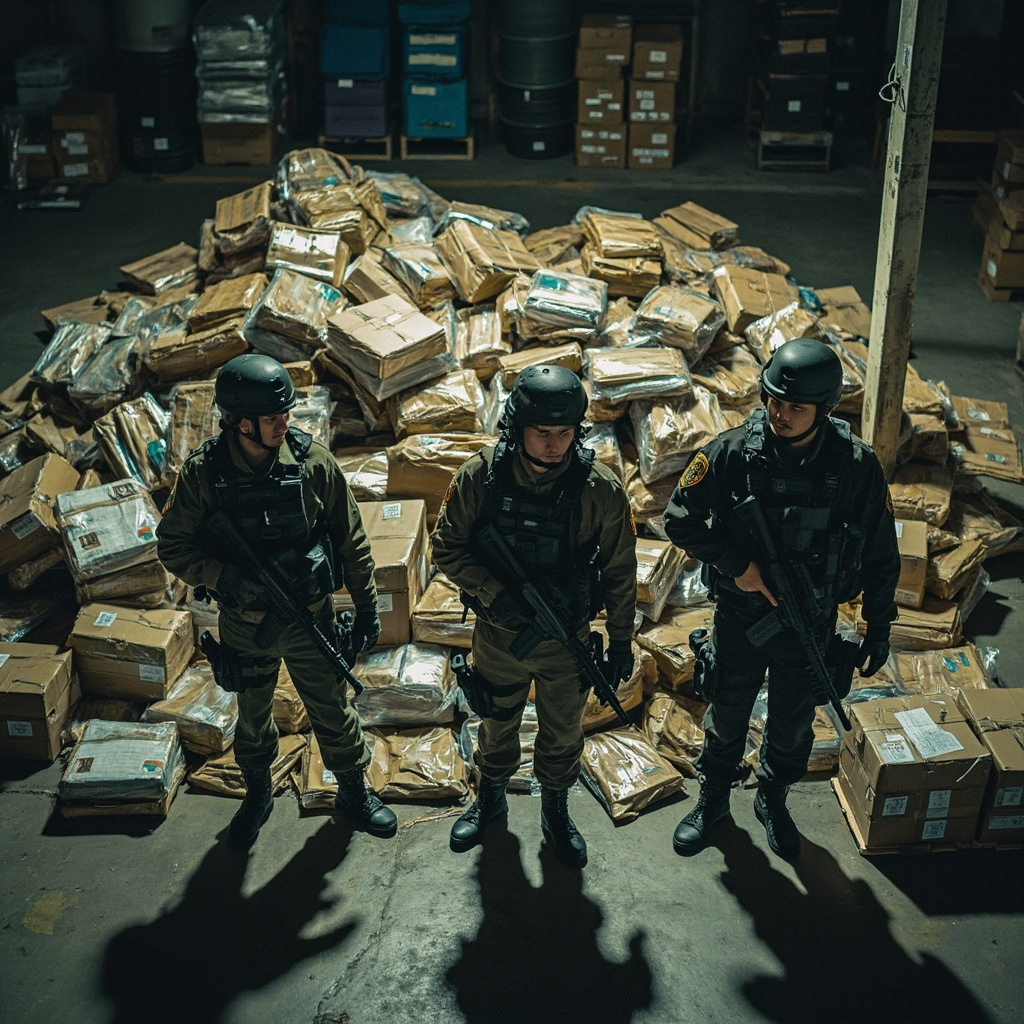
Hubei province arrested seven people and shut more than 200 websites connected to fentanyl precursor sales on March 19. ABC News confirmed the operation.
The crackdown targets the full supply chain: production, distribution, storage, export. A task force established in December 2025 has handled 22 cases as of March 2026. The shuttered websites sold precursor chemicals openly.
The Wuhan-based company Hubei Aoks Bio-Tech was indicted in November 2024 for selling 11 kilograms of fentanyl precursors to the United States between 2016 and 2023 — enough raw material for millions of pills. That case is the backdrop to every enforcement action Beijing announces now.
The timing complicates the picture. This announcement arrives during US-China negotiations over tariffs and drug enforcement cooperation. In February 2024, China agreed to restart cooperation with US authorities on fentanyl. More than 70,000 Americans die from synthetic opioid overdoses every year. Fentanyl manufactured using Chinese precursors flows primarily through Mexican cartels.
The question the arrests raise is straightforward: why did it take a trade war to produce action on a crisis that has killed hundreds of thousands of Americans over the past decade?
The Hubei arrests may be real enforcement. They may be diplomatic theater timed to soften tariff negotiations. The next round of DEA data will say more than any press conference.
— DAVID CHEN, Beijing