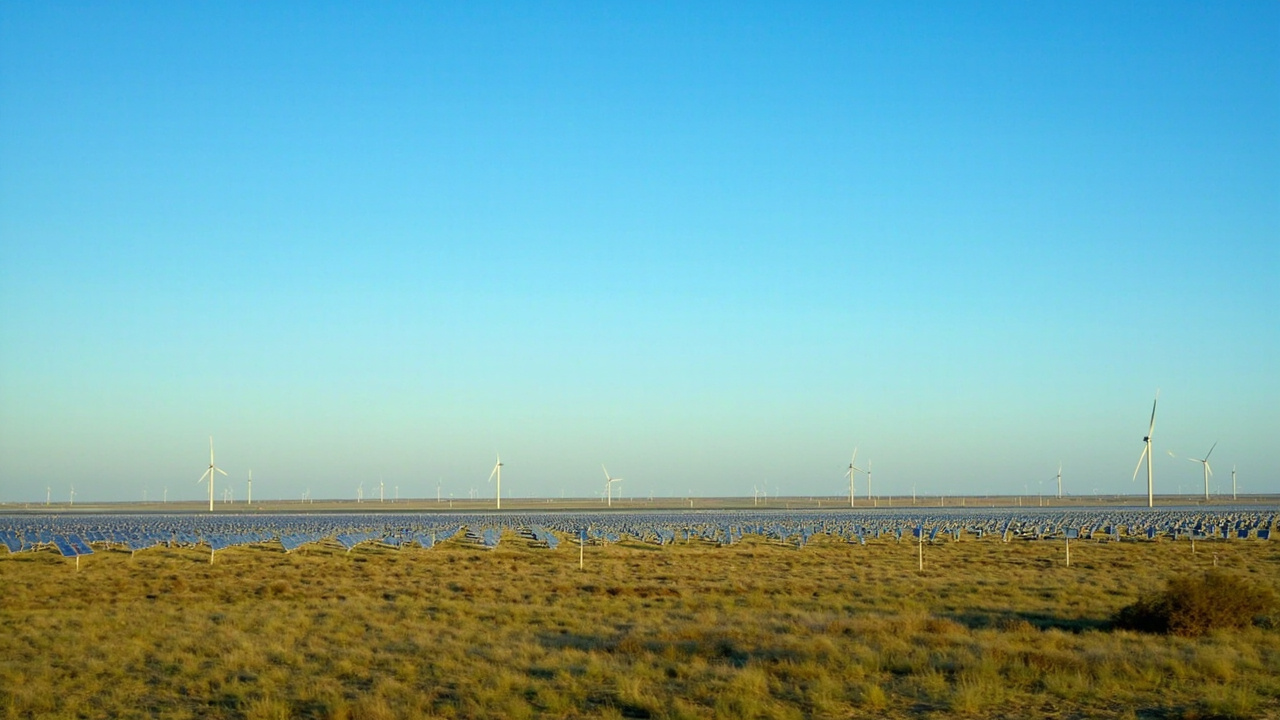
Renewable energy sources generated 26 percent of US electricity in 2025, a record, according to Energy Information Administration data. [1] The figure rose from 22 percent in 2024, driven by solar installations that exceeded forecasts in every quarter. More striking: the EIA projects that 93 percent of new electricity generation capacity added in 2026 will come from renewable sources — wind, solar, and battery storage. [2]
The numbers arrive during an administration openly hostile to renewable energy. Executive orders have paused offshore wind leasing, attempted to claw back Inflation Reduction Act subsidies, and directed federal agencies to prioritize fossil fuel development. None of it has slowed the buildout. The reason is arithmetic, not ideology: utility-scale solar now costs $24 to $33 per megawatt-hour unsubsidized, cheaper than new natural gas in most markets. [1]
Texas — not California — leads the nation in new solar capacity. Red states account for the majority of wind installations. The political map and the energy map have diverged so completely that Republican legislators in states benefiting from renewable jobs have quietly lobbied to preserve the tax credits their party's president tried to eliminate. [1]
The decoupling is now structural. Utilities sign 15-to-20-year power purchase agreements based on economics, not election cycles. By the time any policy reversal could bite, the capacity will already be built and generating.
-- KENJI NAKAMURA, Tokyo