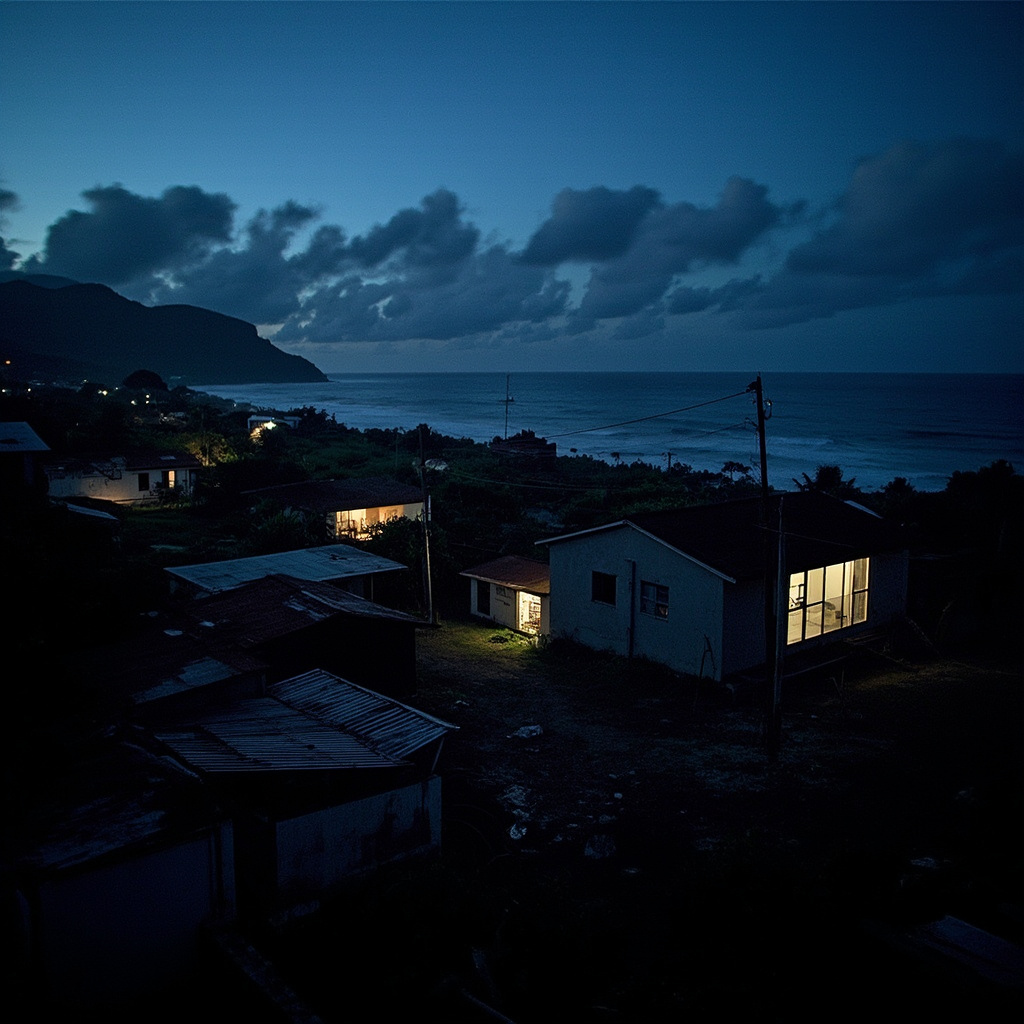
Mauritius announced energy-saving measures on Wednesday, joining South Sudan's capital Juba in implementing restrictions on electricity consumption as the West Asia conflict's disruption of global fuel supply chains reaches countries with no direct stake in the fighting.
The island nation of roughly 1.3 million people imports nearly all of its heavy fuel oil, which powers its electricity generation. Disruptions to fuel supply — linked to tensions around Iran's oil export capacity and the ripple effects on tanker routing and insurance costs — have created a supply gap that Mauritius's limited strategic reserves cannot fully absorb. The government's energy-saving measures include restrictions on commercial lighting and recommendations to households to reduce consumption during peak hours.
The situation illuminates with unusual clarity what it means to be a small, open economy in a world organized around energy commodity flows controlled by others. Mauritius did not choose this crisis. It is experiencing it because it burns fuel it imports on ships that transit routes now affected by a war it cannot influence. The Christopher Hitchens version of this story would note the sardonic precision of the situation: a paradise island, famous for its beaches and tax arrangements, rationing electricity because men are fighting over theology and territory in the Persian Gulf.
A five-year project to advance mandatory energy efficiency measures, funded through the Global Environment Facility and running from March 2026 to 2031, will provide some structural relief — but not this week.
-- CHARLES ASHFORD, London