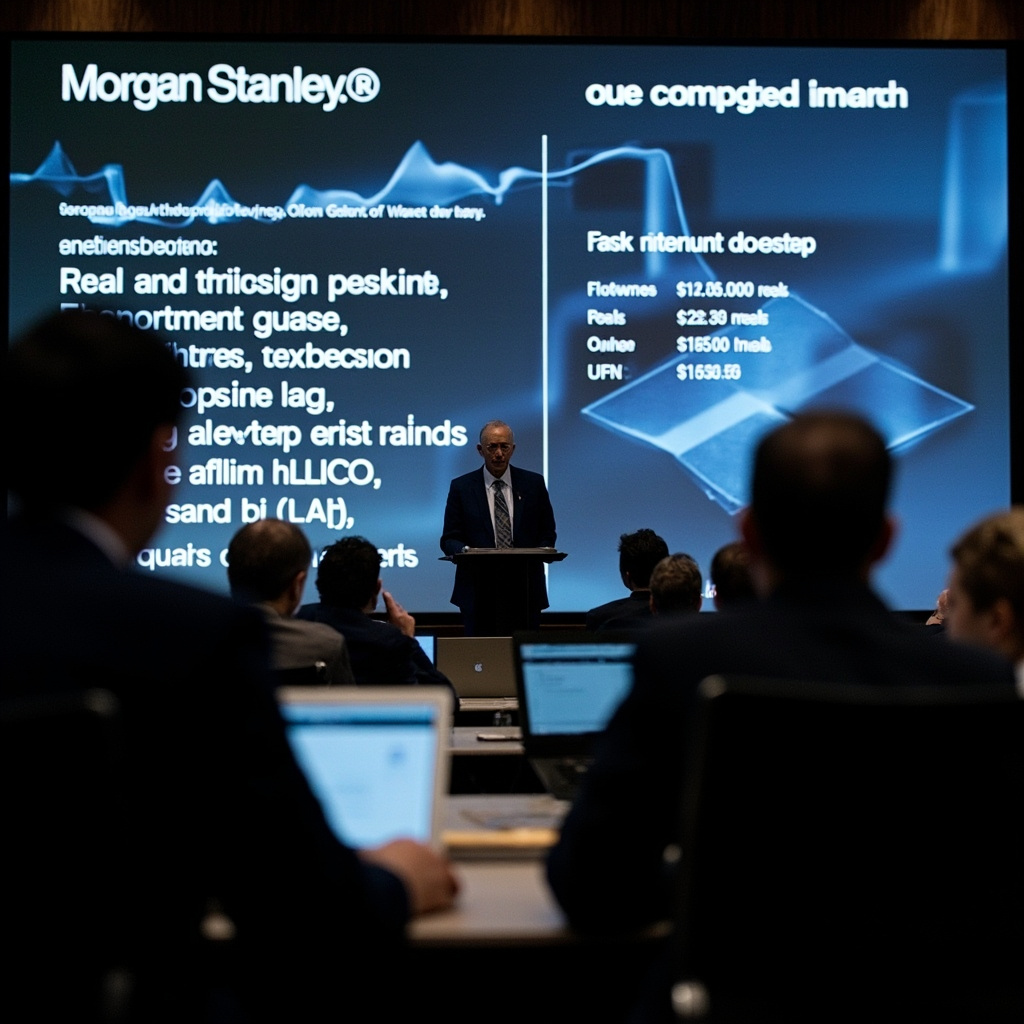
Patient observers of technology have learned to treat bank research notes with appropriate skepticism. Morgan Stanley issues many warnings. Most events arrive on schedule regardless. But the mid-March report deserves a second look — not for the drama of its language, but for the specific claim underneath it.
The investment bank's research, published around March 13, warned that an AI capability breakthrough is likely by the first half of 2026 and that most of the world's companies are structurally unprepared to absorb what comes next. The report cited self-improving model architectures, citing GPT-5.4 Thinking's performance on economic task benchmarks as a leading signal. A projected $3 trillion in AI infrastructure spending over coming years suggests the investment community is already positioned regardless of readiness.
What the report doesn't say is more interesting than what it does. It doesn't define what "ready" would look like. It doesn't explain what the breakthrough is, exactly, only that when it arrives, the gap between organizations that treated AI as a checkbox and those that reorganized around it will become suddenly, uncomfortably visible.
Companies that have been conducting AI strategy exercises — convening committees, issuing frameworks, scheduling pilots — are precisely the ones Morgan Stanley is describing as unprepared. The breakthrough doesn't wait for the steering committee to report back.
The next three months will tell. If the report is right, it will look obvious in retrospect. If it's wrong, it joins a long list of urgent warnings that became footnotes.
-- DAVID CHEN, New York