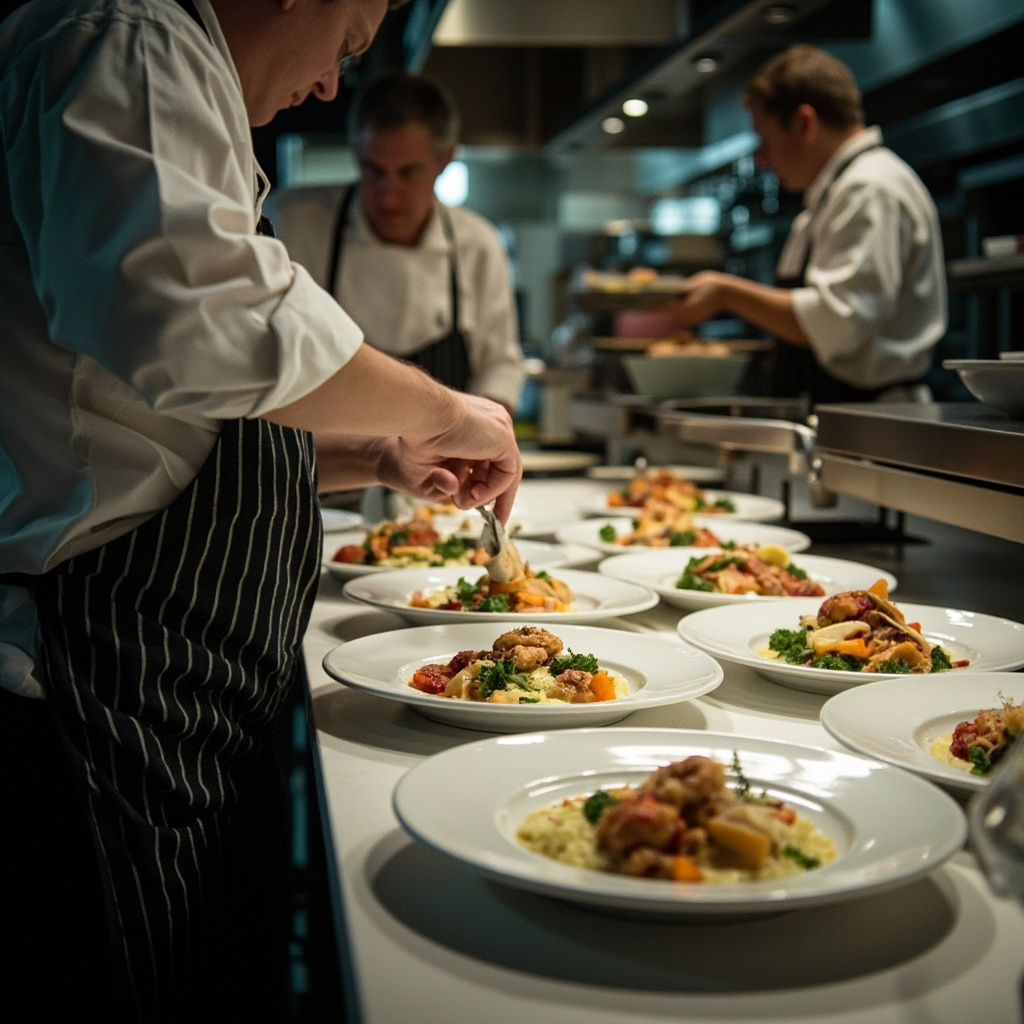
America has always eaten in ways that told you something about America. What it is telling you now, through its menus, is that a significant and growing portion of the population is less hungry than it used to be.
GLP-1 drugs — Ozempic, Wegovy, Zepbound, Mounjaro — suppress appetite as a side effect of their core metabolic mechanism. Users report eating less at each meal, preferring smaller plates, and losing interest in the high-calorie, high-volume food that chain restaurants were built to deliver. Consumers on GLP-1s have reduced restaurant spending by roughly 8% within six months of starting treatment, according to Food Dive analysis.
Restaurants are not waiting for the trend to reverse. Olive Garden and the Cheesecake Factory are among the national chains that Fortune documented in March as adapting menus to court GLP-1 users — smaller portions, more protein, higher-fiber options. Upscale restaurants report an increase in appetizer and side dish orders as users prefer sampling multiple small plates over a single large entrée.
CNBC reported this month that for food companies, the drugs present both an opportunity and a threat. The opportunity: new menu categories and premium positioning around nutrient density. The threat: fewer total calories sold per customer, in an industry that runs on volume.
Joan Didion once wrote that we tell ourselves stories in order to live. The stories Americans are now telling themselves — about what a meal is for, what a body should do — are changing in ways the restaurant industry is only beginning to absorb.
-- MAYA CALLOWAY, Los Angeles