On March 20, a U.S. District Court judge vacated key provisions of the Pentagon's October 2025 media access policy, ruling that the restrictions the Defense Department had imposed on journalists were unconstitutional. The New York Times had sued to restore press credentials.
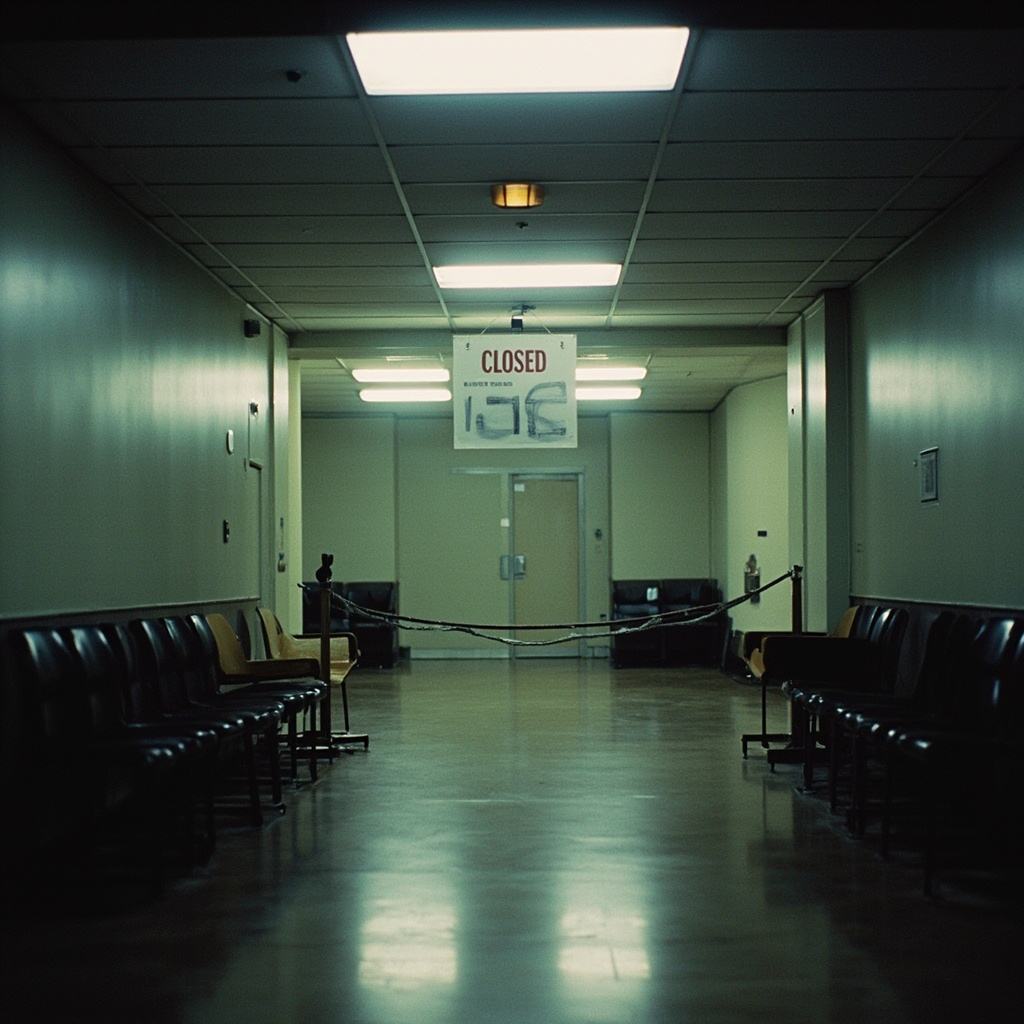
The Pentagon's response, announced three days later on March 23, was to close the Correspondents' Corridor — the physical space inside the building where journalists had worked for decades — and announce that media would be relocated to an external annex. New press credentials would be issued, but journalists would no longer have offices inside the Pentagon. Access would be escorted.
The National Press Club condemned the move. The Times accused the Pentagon of defying the spirit of the court's ruling. CNN noted that the Defense Department, undeterred by a judicial rebuke, had simply introduced a new restriction.
What is happening, read structurally, is a test of whether litigation can compel access to a department that controls its own physical space. The court can vacate a policy. It cannot install journalists in a building whose occupants have decided to remove them.
The correspondents' corridor has been the operational base for defense journalism since the 1970s. Its closure does not end defense reporting. It does ensure that every interaction between the press and the Pentagon now requires a chaperone, which is a different kind of coverage than what existed before.
That difference is the point.
-- ANNA WEBER, Washington