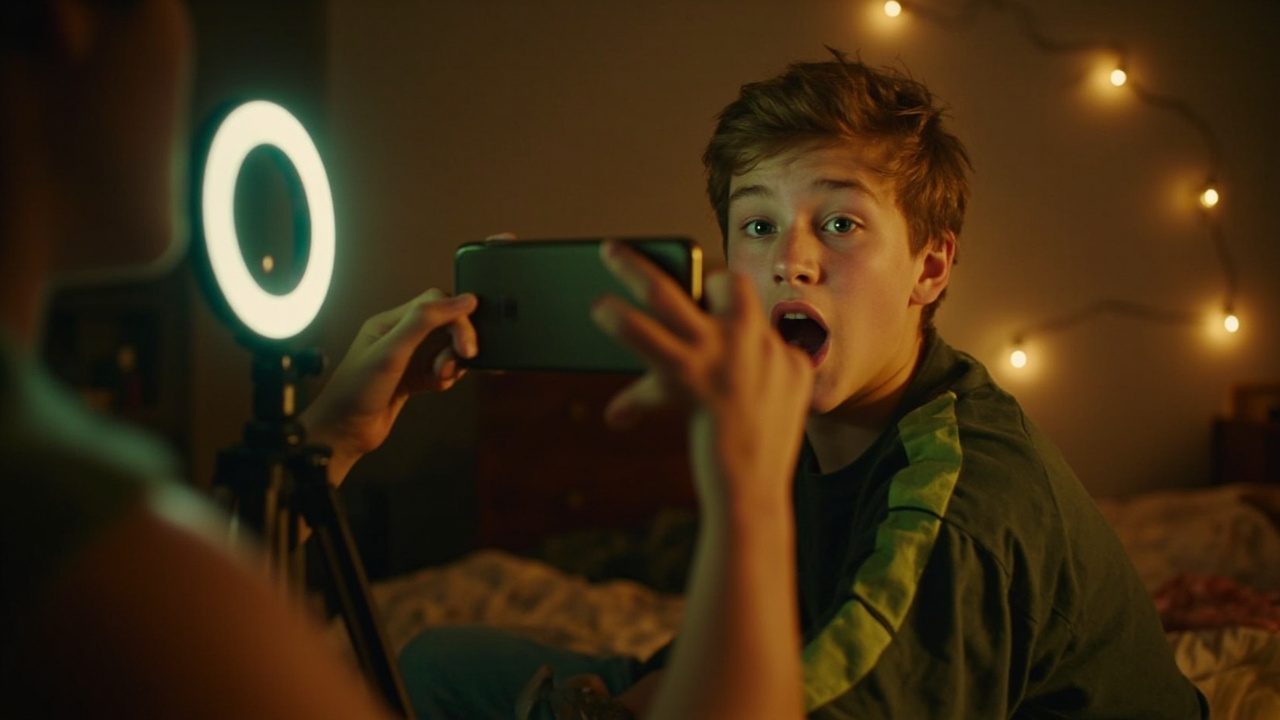
The phrase "2026 is the new 2016" has migrated from TikTok hashtag to Wikipedia entry, a trajectory that took roughly three months and millions of posts across TikTok, Instagram, and X. [1] The trend, which began in early January, invites users to recreate or revisit the cultural artifacts of a decade ago -- Snapchat dog filters, Pokemon Go walks, Vine compilations, bottle flip challenges, the Mannequin Challenge -- and treat them as relics of a prelapsarian age.
The nostalgia is not random. Ten years is the interval at which pop culture reliably recycles itself, and 2016 occupies a peculiar position in collective memory: the last full year before the Trump presidency began, before COVID, before the AI disruption that has reshaped work and attention. [2] For users aged 18 to 25, the core demographic driving the trend, 2016 was childhood. The bottle flip was performed without irony. Vine still existed. The phone was a toy, not a platform.
Wikipedia's page documents the trend's spread across platforms, its adoption by celebrities including John Legend, and its commercial exploitation by brands launching "2016 edition" product lines. [1] The page's existence is itself the story -- the internet's nostalgia cycle now moves fast enough to generate an encyclopedia entry before the trend has fully crested.
What the trend avoids is instructive. Nobody is nostalgic for the 2016 election. The yearning is selective, editing out politics and preserving only the texture of daily life. The culture remembers what it wants to.
-- MAYA CALLOWAY, New York