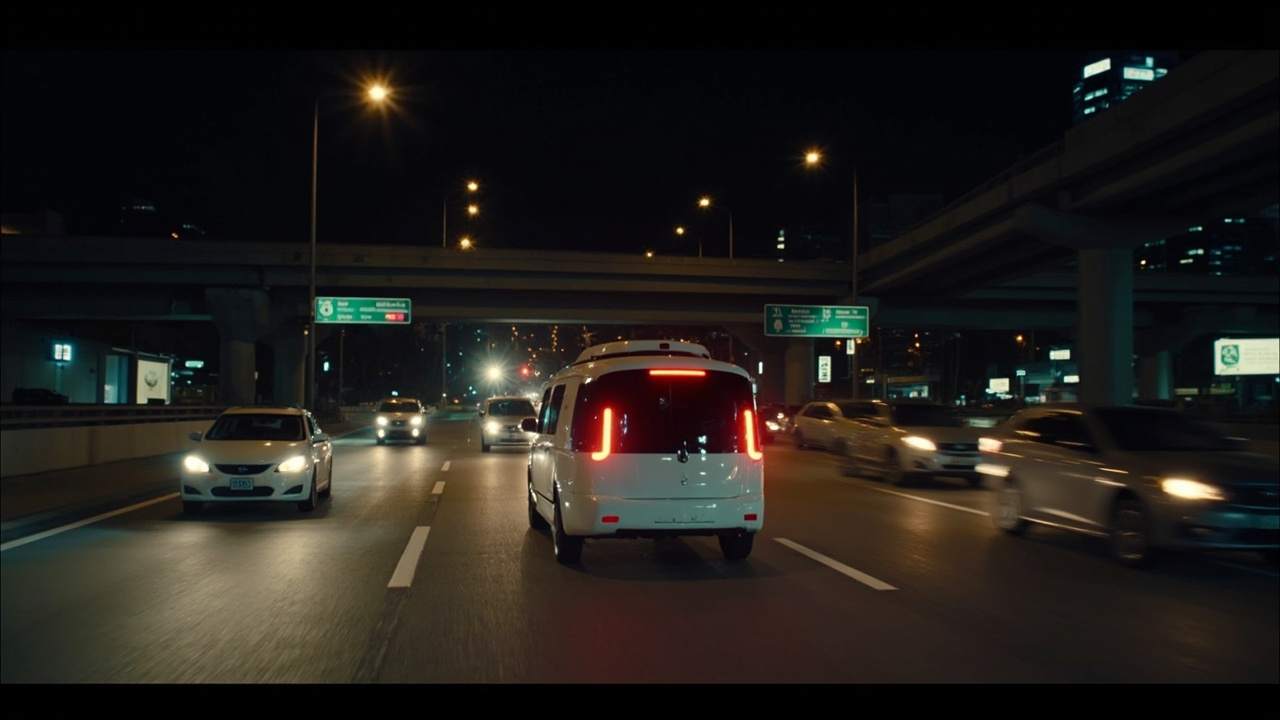
More than 100 of Baidu's Apollo Go robotaxis stopped on roads across Wuhan on the evening of March 31 after a system malfunction, stranding passengers in vehicles -- some on elevated ring roads with traffic passing on both sides [1]. Wuhan police confirmed the outage, citing a "system malfunction" without elaborating [2]. It was the first mass shutdown of a robotaxi fleet ever reported.
Some passengers were trapped for nearly two hours [3]. Videos shared on Chinese social media showed driverless cars frozen in middle lanes of highways, hazard lights blinking, while traffic navigated around them. Passengers described receiving automated messages promising staff arrival in five minutes, with no one appearing [1]. No injuries were reported, but the images were devastating for a technology that sells itself on reliability.
The contrast with Waymo is instructive. The Alphabet subsidiary reported 500,000 paid rides per week across 10 U.S. cities on March 27, a tenfold increase from May 2024 [4]. Waymo experienced a smaller outage in San Francisco in December caused by a localized power failure. Baidu's failure was systemic -- a central system collapse that disabled an entire city's fleet simultaneously. The architecture that makes centralized robotaxi networks efficient is the same architecture that makes them fragile.
-- DAVID CHEN, Beijing