President Ferdinand Marcos Jr. signed Executive Order 110 on March 24, declaring a state of national energy emergency -- the first country to invoke such a measure over the Iran war's disruption of global fuel markets [1]. The order grants the government authority to intervene in fuel procurement, issue emergency permits, and act against hoarding and profiteering [2]. Marcos said the Philippines has enough crude oil supply to last until June 30 [3].
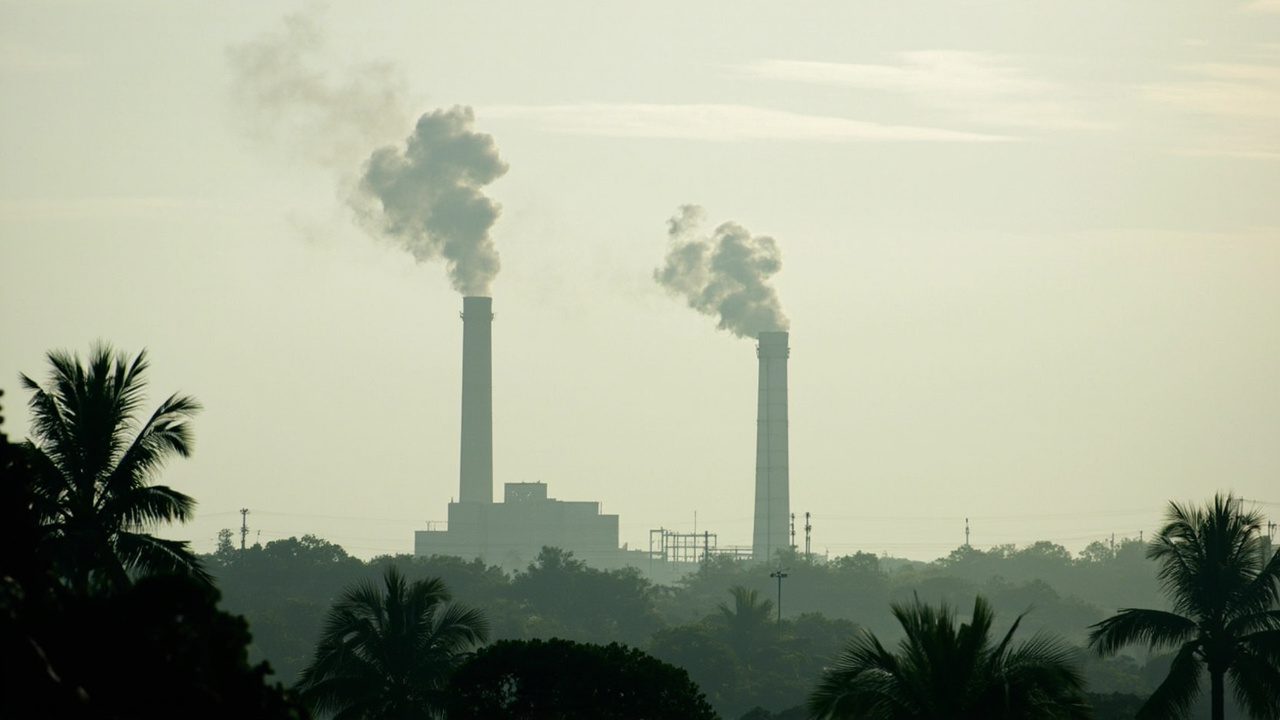
The math is unforgiving. As of March 20, the government reported 45 days of fuel supply and was procuring an additional one million barrels [4]. The Philippines imports nearly all its petroleum. With the Strait of Hormuz blockade choking LNG shipments, the country is pivoting hard to coal. Reuters reported Manila is ramping up coal-fired power output and slashing LNG-fired generation, with Indonesia assuring a steady coal supply [5]. The energy secretary ordered "optimal dispatch of power plants," prioritizing cheaper technologies -- a euphemism for burning more coal [2].
EO 110 also established the UPLIFT committee, a whole-of-government response framework chaired by the president and spanning energy, transport, agriculture, and finance [2]. A transport strike over fuel price hikes was already planned before the declaration [4].
The Philippines is a net energy importer of 121 million people in a region where every Southeast Asian nation is making the same calculation. June is eleven weeks away.
-- DAVID CHEN, Beijing