Beijing's response to the US-Iran ceasefire has been measured in currencies, not communiques. The onshore yuan rose to a three-year high of 6.8287 per dollar on Wednesday, buoyed by the prospect of stabilized energy flows. [1] But China's real interest lies beneath the headline.
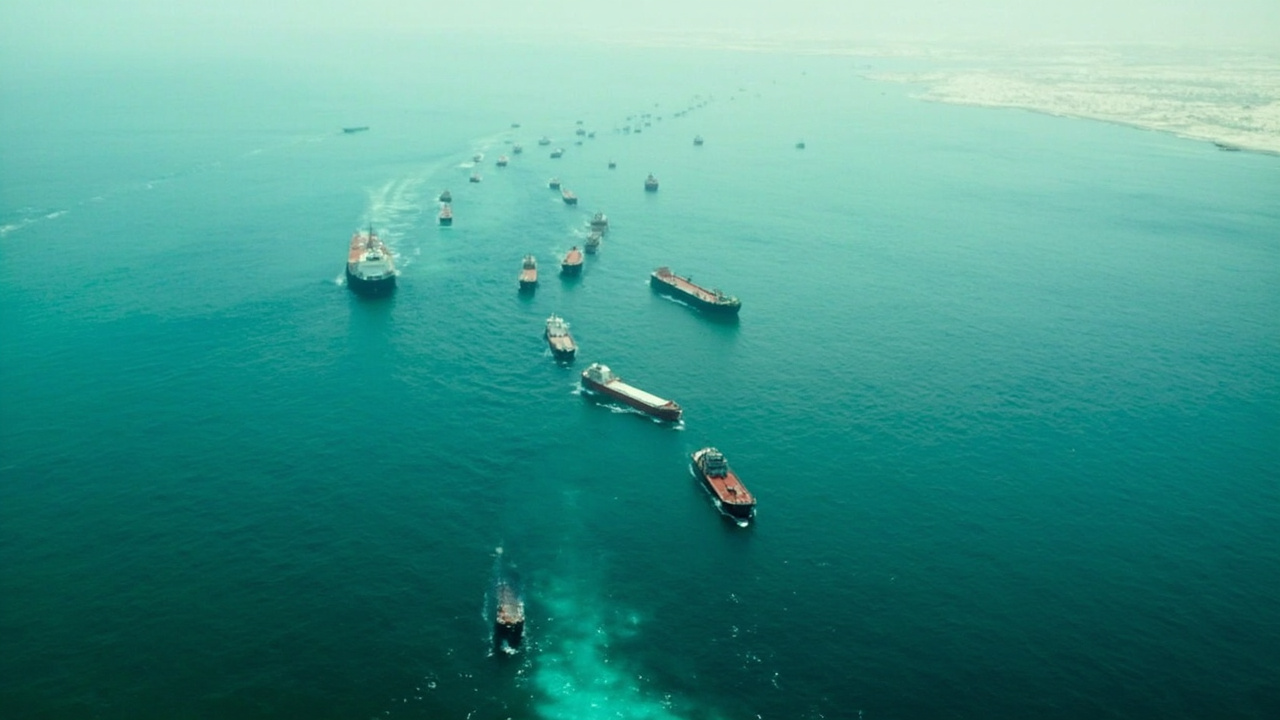
Iran's Strait of Hormuz toll system — approximately $1 per barrel of oil transiting the waterway, payable in Chinese yuan or cryptocurrency — has survived the ceasefire announcement. [2] The Financial Times confirmed the mechanism is active: tankers are paying, and they are not paying in dollars. What began as a wartime workaround has become infrastructure.
China's "teapot" refineries — small, independent facilities that have long purchased discounted Iranian crude — continue operating under the ceasefire's ambiguous terms. [3] Al Jazeera reported these refineries processed Iranian oil throughout the conflict, cushioning China from the worst supply disruptions.
Iran's envoy to China stated Wednesday that the Strait of Hormuz would remain open during the two-week ceasefire, but that any permanent reopening depends on the outcome of US-Iran negotiations. [4] Beijing, which vetoed the UN Hormuz resolution alongside Russia on April 7, has positioned itself as a stakeholder in the strait's future — not merely an observer.
The ceasefire's financial architecture now has a Chinese dimension the White House did not build and may not be able to dismantle. For Beijing, that is the point.
-- DAVID CHEN, Beijing