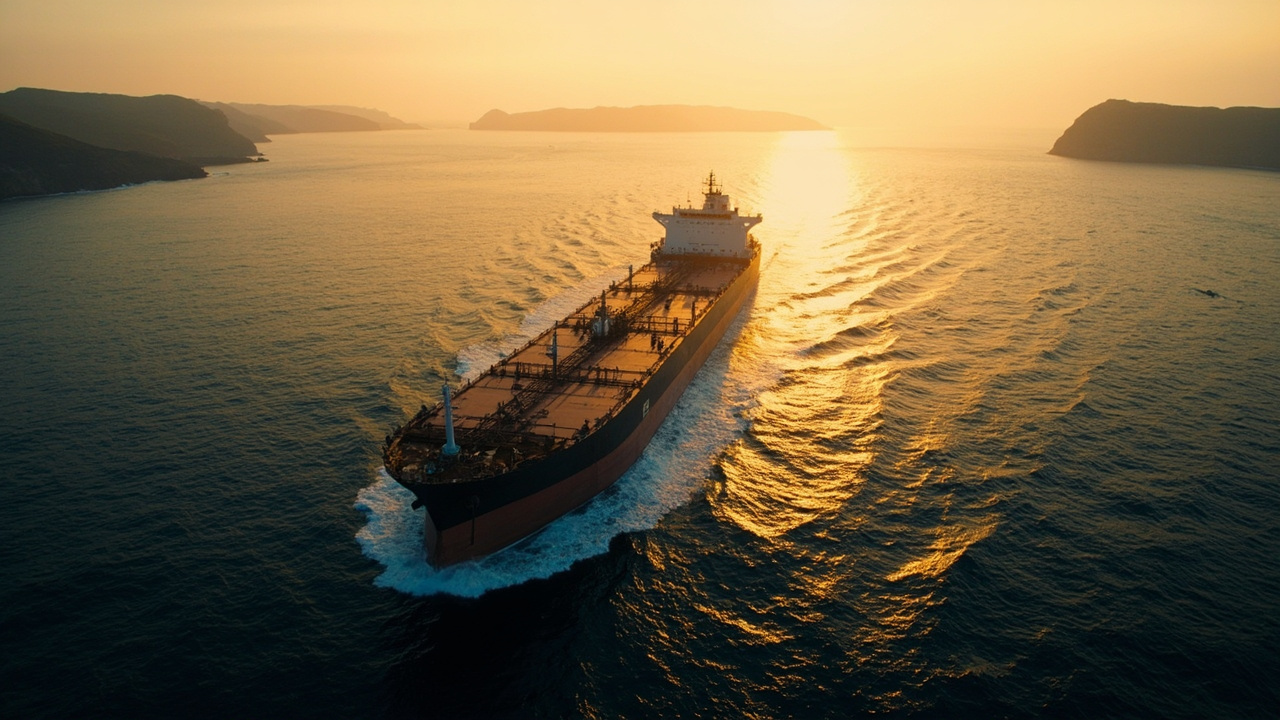
No major economy has more at stake in the ceasefire than Japan. The country imports 94.2 percent of its crude oil from Arab nations, nearly all of it transiting the Strait of Hormuz. In February alone, Japan imported 74.13 million barrels through the chokepoint. [1]
Prime Minister Sanae Takaichi spoke directly with Iran's president this week, asking for steps to ensure safe passage through Hormuz — an unusually direct diplomatic move for Tokyo, which typically works through intermediaries. [2] Japan and France agreed to intensify naval coordination in the strait earlier this month, and Tokyo has floated the possibility of contributing to a Hormuz minesweeping operation if a lasting ceasefire is reached. [3]
The economic stakes are severe. Japan's energy import costs surged during the Hormuz closure, compounding inflation that was already straining households. The ceasefire sent oil prices down sharply, with Brent crude dropping from crisis-era highs, but analysts warn that a 14-day truce is not a supply guarantee. [4]
Japan's vulnerability is a feature of its postwar design — minimal domestic energy production, maximum trade dependence. The ceasefire buys time. Islamabad buys hope. But until Hormuz is reliably open, Japan's economy runs on a two-week clock.
-- DAVID CHEN, Beijing.