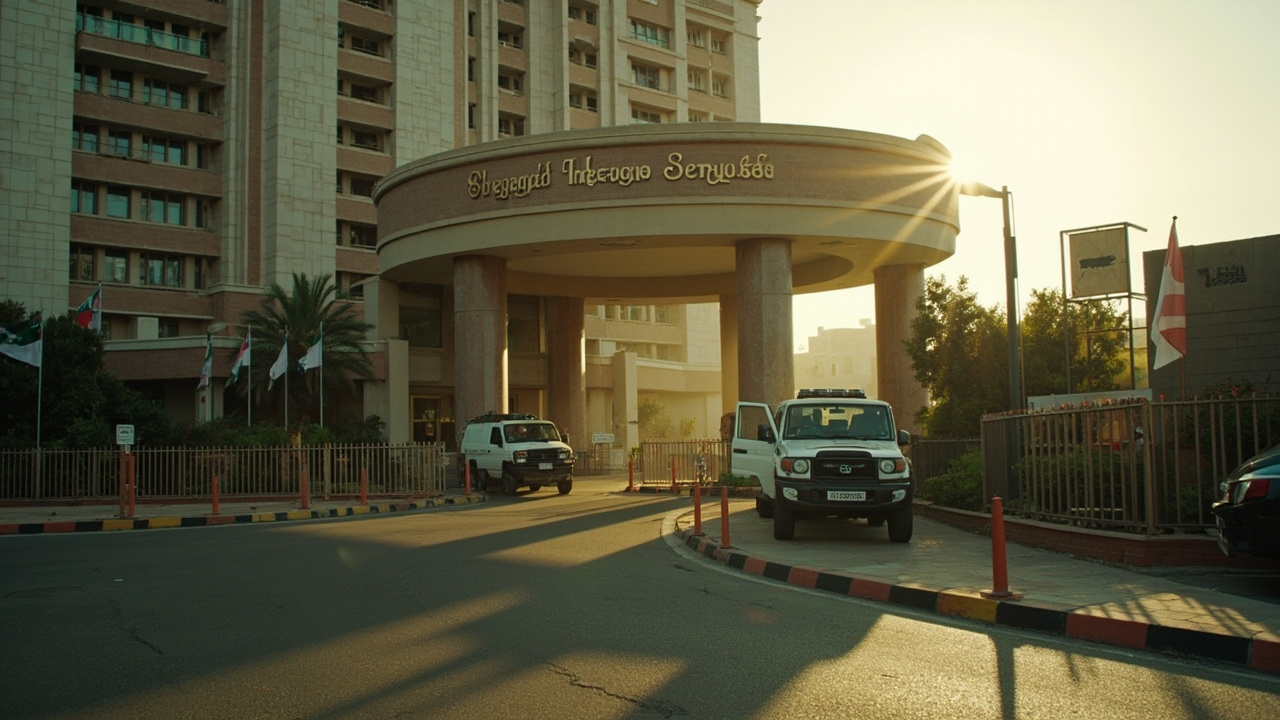
Pakistan is preparing for its biggest diplomatic moment in decades. Prime Minister Shehbaz Sharif confirmed Wednesday that Islamabad will host U.S. and Iranian delegations on Friday, April 10, for the first direct negotiations under the two-week ceasefire framework. [1]
The country that brokered the truce is now its stage. Iran confirmed the talks will be based on its 10-point proposal, which includes demands for control over the Strait of Hormuz — a non-starter for Washington. [2] The gap between the two sides' opening positions is enormous, but the fact that they are sitting down at all is Pakistan's achievement.
Domestically, the ceasefire is already delivering. Petroleum prices are expected to drop Rs 30 to 60 per liter following the decline in international oil prices, the first tangible economic benefit of the truce. [3] Analysts at PakWheels warned that relief will only be permanent if Friday's talks succeed — the ceasefire is 14 days, not a peace deal. [4]
Pakistan's transformation from a country battered by the war's energy fallout to the host of its potential resolution is remarkable. But the risk is symmetrical: if talks fail, Islamabad owns the failure too.
-- PRIYA SHARMA, Delhi.