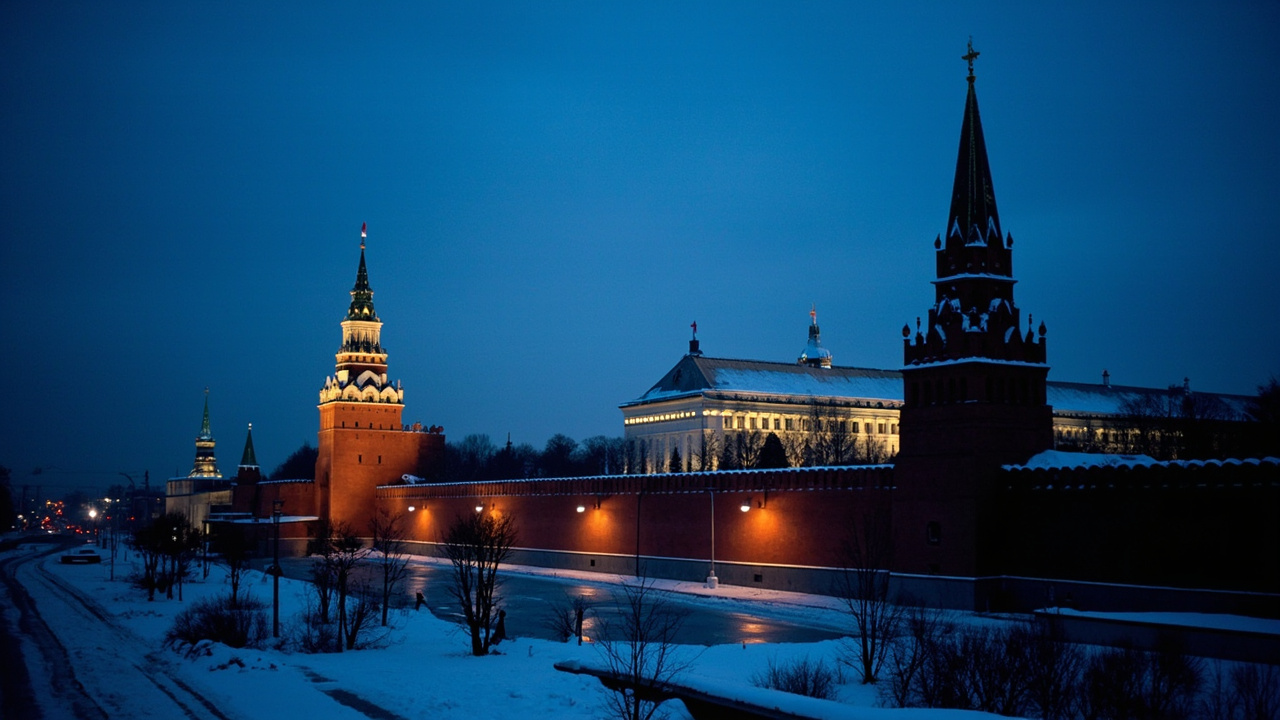
The Kremlin on Wednesday said it welcomed the US-Iran ceasefire agreement, calling it "encouraging" — while carefully declining to endorse any of its specific terms. [1]
The positioning is deliberate. Russia, alongside China, vetoed a UN Security Council resolution aimed at reopening the Strait of Hormuz just two days before the ceasefire was announced. [2] That veto gave Iran diplomatic cover to maintain leverage over the waterway even as the shooting stopped. Now Moscow gets to play peacemaker without having conceded anything.
Kremlin spokesman Dmitry Peskov told reporters that Russia "has consistently advocated for de-escalation in the region" and expressed hope the ceasefire would hold. He declined to comment on whether Russia had played any mediating role, though Pakistani Prime Minister Shehbaz Sharif was credited as the primary broker. [1]
On April 3, Putin and Turkish President Erdogan had jointly called for an immediate Middle East ceasefire. [3] That call now looks like positioning rather than diplomacy — a way to claim credit without bearing risk.
The deeper calculation is about Ukraine. As one Western analyst noted, the circumstances of this ceasefire — brokered under pressure, with ambiguous terms, after weeks of military stalemate — offer Putin a template for what he might extract from any future Ukraine negotiation: temporary truces that lock in territorial gains while projecting reasonableness.
Moscow will watch whether the two-week window collapses or extends. Either outcome serves Russian interests.
-- KATYA VOLKOV, Moscow