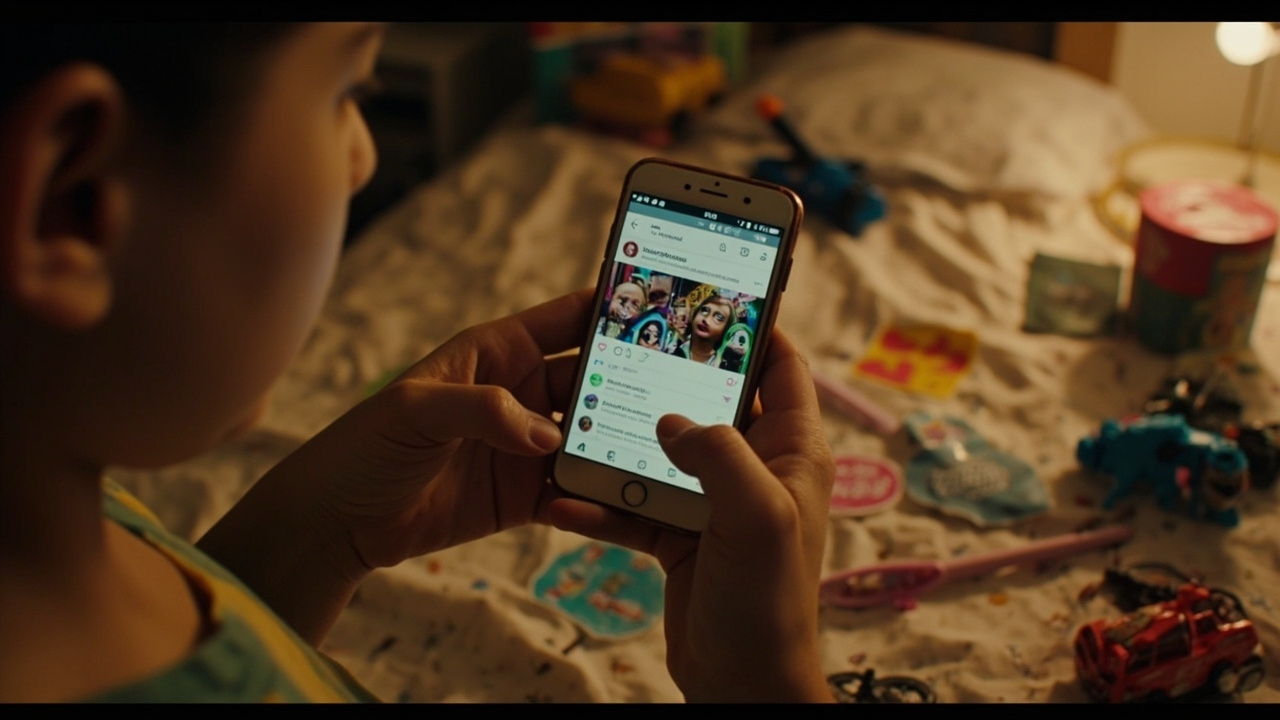
The internet wants to go back. Not forward, not sideways — back to 2016, specifically, when the memes were dumber, the stakes felt lower, and nobody had heard of a pandemic.
The "2026 is the new 2016" trend, which began percolating on Instagram and TikTok in late 2025, has reached critical mass. [1] The trend now has its own Wikipedia page, millions of posts across platforms, and celebrity participation. [2] Users post throwback photos from a decade ago, blast songs that charted in 2016, revive dead Snapchat filters, and recreate the chaotic, low-production-value content that defined the platform era before algorithmic optimization took over.
Forbes traced the trend to a collective desire for what the internet felt like before it became professionalized — before every post was a brand play, every video was optimized for engagement, and every platform was a marketplace. [3] The 2016 internet was messy. The 2026 internet is exhausting. The trend is a referendum on the difference.
Fast Company noted the irony: 2016 was also the year of Brexit, a bruising US election, Harambe's death, and the beginning of the post-truth information environment that produced the very platform dynamics users now find oppressive. [1] Nostalgia, as always, is selective.
What makes the trend durable is its simplicity. It requires nothing except memory and a camera roll. No product to buy, no challenge to complete, no brand partnership to monetize. Just: remember when the internet was fun?
The answer, for millions of users, is yes — even if the memory is a lie.
-- MAYA CALLOWAY, New York