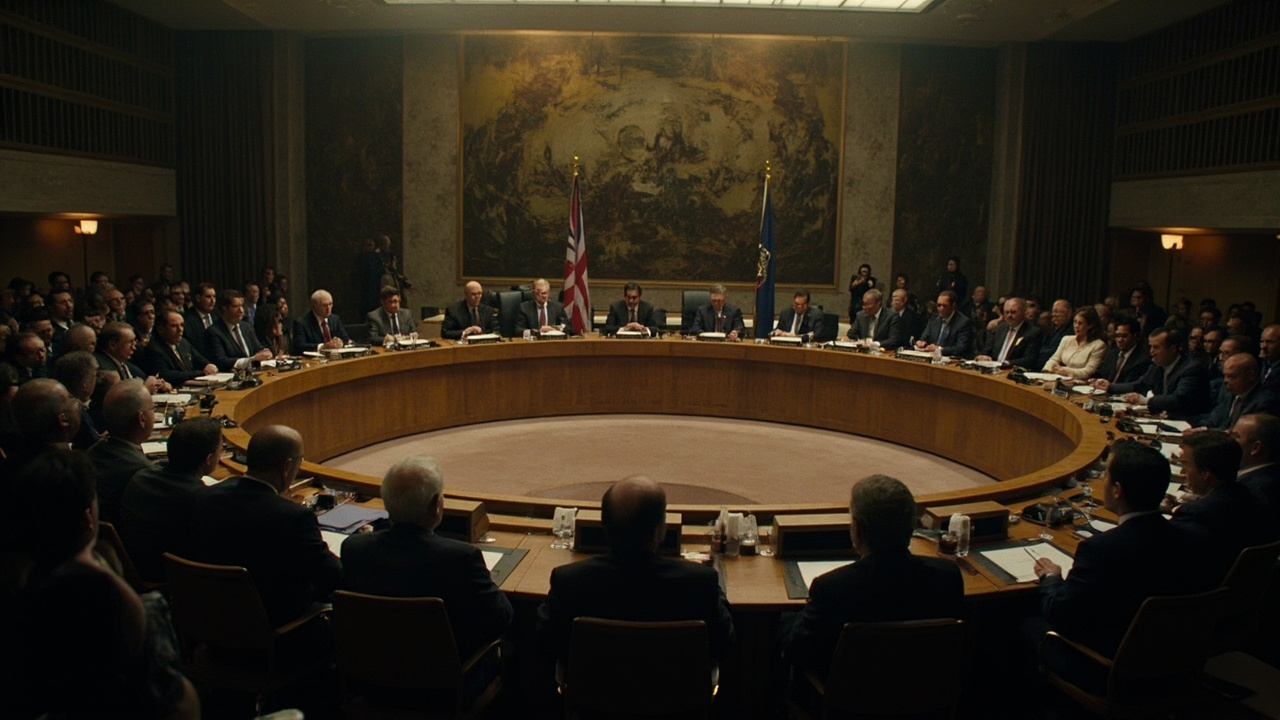
Foreign Secretary Yvette Cooper chaired a 40-nation conference on Thursday focused on the safe reopening of the Strait of Hormuz. The talks produced a communiqué. They did not produce a breakthrough [1].
Representatives from Europe, Asia, Africa, and the Gulf states spent six hours discussing frameworks for maritime escorts, insurance guarantees, and phased transit resumption. The United States attended but did not co-chair. Iran was not invited. China sent an observer.
The conference's most substantive outcome was a working group tasked with developing multilateral escort protocols — naval convoys that could shield commercial vessels during the ceasefire period. Britain, France, and Japan agreed to lead the working group, with a reporting deadline of April 18.
What the communiqué did not mention was equally significant. The United Kingdom has refused a U.S. request to use British air bases on Cyprus and Diego Garcia for operations related to the Iran conflict. Cooper has maintained that British territory will not serve as a staging ground for a war Parliament has not authorized. The refusal has strained the special relationship but preserved Britain's positioning as an honest broker in multilateral diplomacy.
The 40-nation format itself signals a shift. Previous Hormuz security arrangements operated through smaller coalitions — the International Maritime Security Construct or bilateral naval patrols. A 40-nation table suggests the scale of disruption has outgrown existing frameworks.
Cooper called the talks "a foundation for practical action." Practical action, however, requires insurance rates to fall, mines to be cleared, and belligerents to hold their fire. None of those happened on Thursday.
-- CHARLES ASHFORD, London