The ceasefire is seventy-two hours old. Here is what it has accomplished: no American missile has struck Iranian soil, and no Iranian missile has struck American forces. That is the entire list.
Everything else — every other front, every other death, every other closed shipping lane — continued as though April 7 never happened.
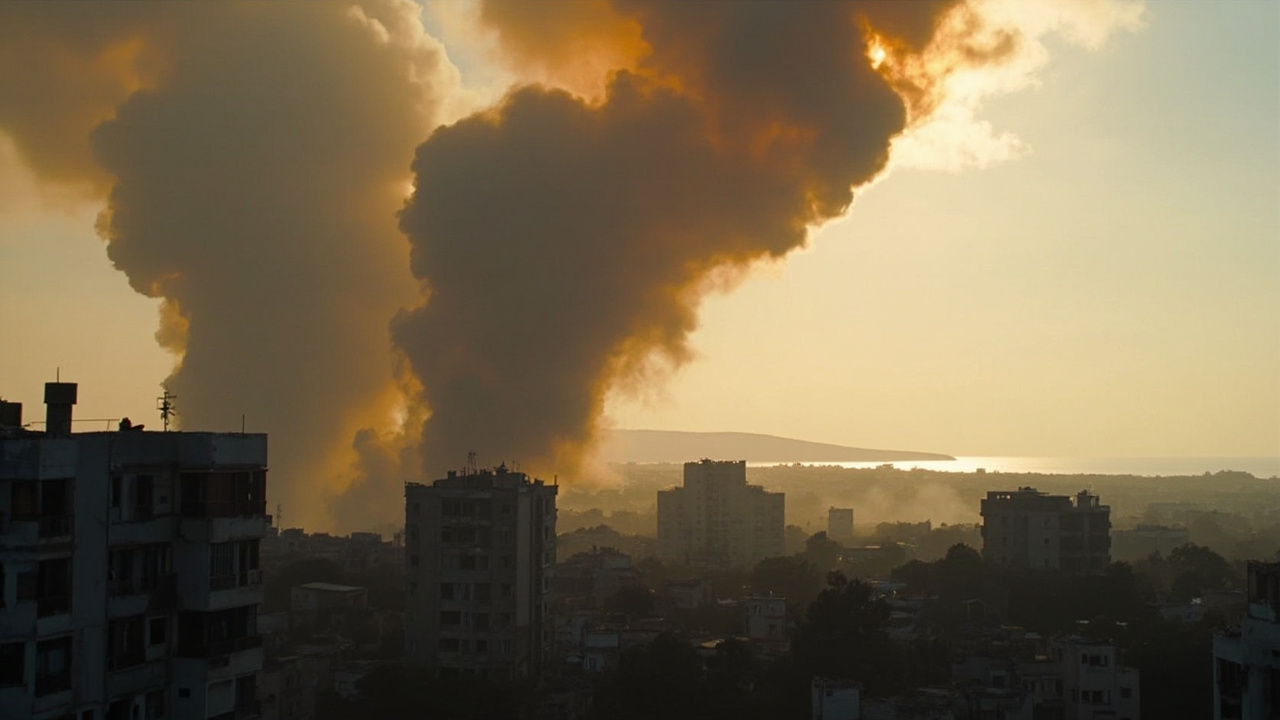
The numbers first. Al Jazeera's running count puts Lebanese dead at 303 since the ceasefire was announced, killed in Israeli strikes that began within hours of Pakistan PM Shehbaz Sharif delivering the agreement text to both sides. [1] The deadliest single strike hit a residential block in Dahieh on April 8, killing 47 people, including eleven children whose names have been published by Lebanon's Health Ministry. The ceasefire was thirty-one hours old.
Then Hormuz. Iran reopened the strait on April 7 as a goodwill gesture — the first commercial transit in weeks. Approximately a dozen vessels passed through in the narrow window. On April 8, citing Israel's "largest wave of airstrikes on Lebanon" as a ceasefire violation, Tehran ordered the strait closed again. [2] The Iranian Navy redeployed fast-attack craft to the shipping lanes. CBS reported that the Revolutionary Guard's coastal missile batteries at Bandar Abbas were reactivated within four hours of the closure order.
The legal ambiguity is the core of the problem. The ceasefire text, brokered by PM Shehbaz and delivered through Pakistan's ISI chief to both capitals, reportedly includes language about "all fronts" and "comprehensive de-escalation." [3] But the US and Israeli interpretation is narrower — the agreement covers direct US-Iran hostilities only. Israel maintains it is not a party to the ceasefire. The US State Department, when pressed by AP's Matt Lee, said the agreement "speaks for itself."
It does not speak for itself. It says different things to different people.
Maersk, MSC, and CMA CGM have not resumed Hormuz transit. Lloyd's of London war-risk premiums remain at 7.5 percent of hull value, unchanged from pre-ceasefire levels. [4] No insurer has downgraded the threat assessment. The market's verdict is clearer than the diplomats': this ceasefire is a bilateral pause, not a regional settlement.
The US and Iran stopped shooting at each other. Three hundred and three Lebanese civilians were not included in that arrangement. The twelve ships that made it through Hormuz before it closed again were the ceasefire's entire commercial achievement. The gap between what was promised and what was delivered is not a gap. It is the story.
-- YOSEF STERN, Beirut