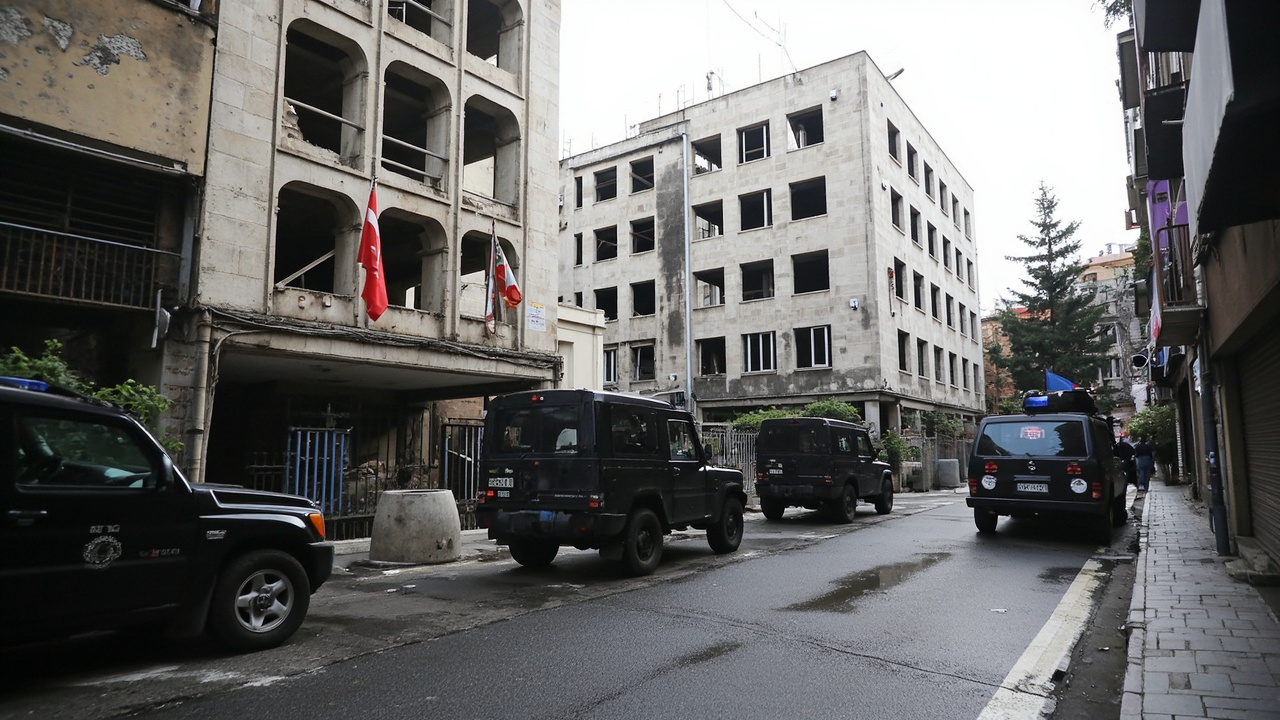
An attack on a diplomatic facility in Istanbul this week struck at the heart of a question NATO has been avoiding — whether allied soil is still sovereign ground [1].
The details remain sparse. Turkish authorities confirmed that an explosive device targeted a consular compound in the city's European district. No fatalities were reported, but several people sustained injuries. Turkish police cordoned off the area within minutes and launched an investigation that remains active.
What makes the attack significant is not its scale but its location. Istanbul sits inside NATO's collective defense perimeter. Article 5 of the North Atlantic Treaty holds that an attack on one member is an attack on all. In practice, that guarantee has never been tested by the kind of low-level, proxy-driven violence that is increasingly common in Turkey's largest city.
Open-source intelligence accounts on X moved quickly to connect the attack to Iranian-linked networks that have operated in Turkey for years. Turkish authorities have not confirmed any attribution. The investigation is ongoing, and premature conclusions serve no one.
But the pattern is worth noting. Turkey has become a contested space where state and non-state actors from across the Middle East operate with varying degrees of impunity. A diplomatic facility attacked on NATO soil raises questions about whether the alliance's deterrence framework extends to asymmetric threats that fall below the threshold of conventional warfare.
No NATO member has issued a public statement about the incident. The silence is itself a data point. Allied solidarity is easy to declare and difficult to practice when the threat is ambiguous and the politics are complicated.
-- HENDRIK VAN DER BERG, Brussels