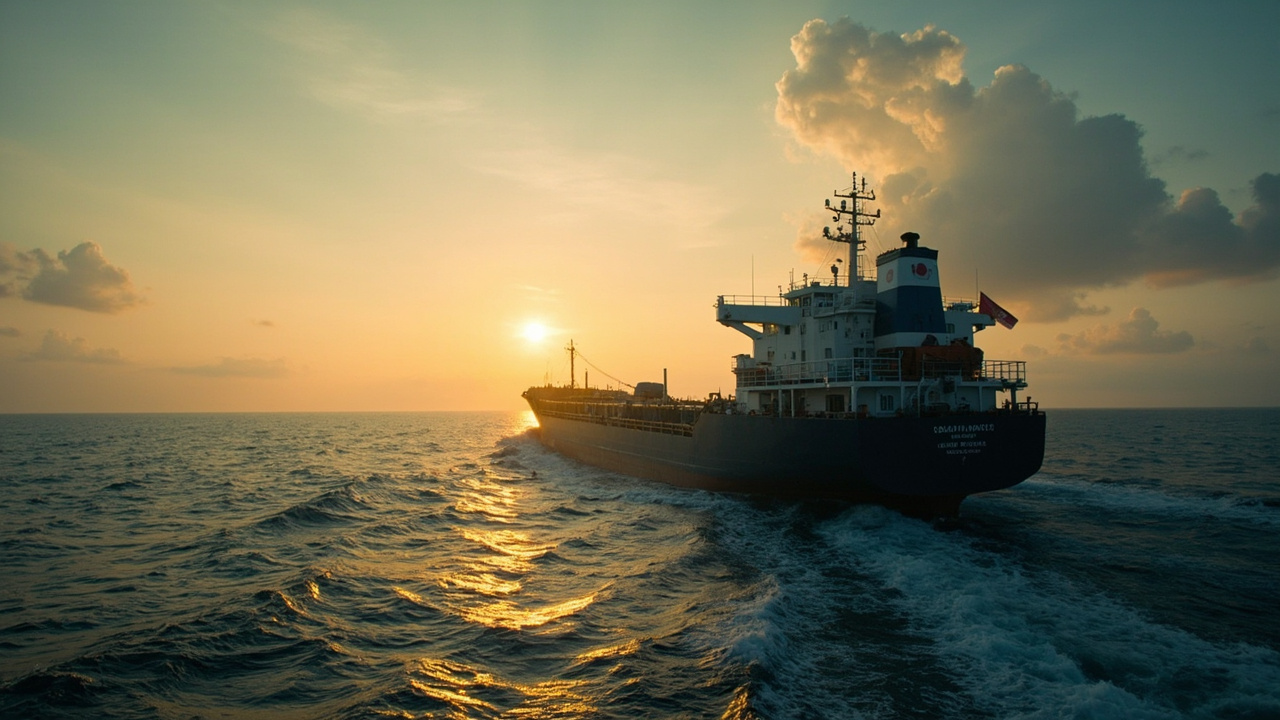
No industrialized nation depends on the Strait of Hormuz more than Japan. Roughly 85 percent of its crude oil imports transit the chokepoint, a vulnerability that has shaped Japanese energy policy for decades but never produced a viable alternative [1].
The ceasefire announcement sent Japanese energy futures sharply lower within hours. Brent-linked contracts that had climbed above $130 per barrel during the worst of the Hormuz disruption pulled back toward $118. For a nation that imports virtually all of its fossil fuels, every dollar per barrel translates directly into consumer prices, industrial costs, and the government's subsidy burden.
Nippon Yusen, Japan's largest shipping company, said it was monitoring the ceasefire closely but had not yet resumed transit through the strait. The company rerouted its tanker fleet around the Cape of Good Hope in late March, adding 10 to 14 days to delivery schedules and increasing per-voyage costs by an estimated $800,000.
Prime Minister Ishiba's office issued a measured statement welcoming the ceasefire while noting that Japan's strategic petroleum reserves remained at 180 days of consumption — a buffer built precisely for moments like this. The reserves have not been tapped, but planning for a drawdown was reportedly underway before the truce was announced.
The math is simple and unforgiving. Japan consumes approximately 3.3 million barrels of oil per day. Nearly all of it comes from the Middle East. The Strait of Hormuz is not a trade route for Japan — it is the trade route. A 14-day ceasefire buys time. It does not buy security.
-- DAVID CHEN, Beijing