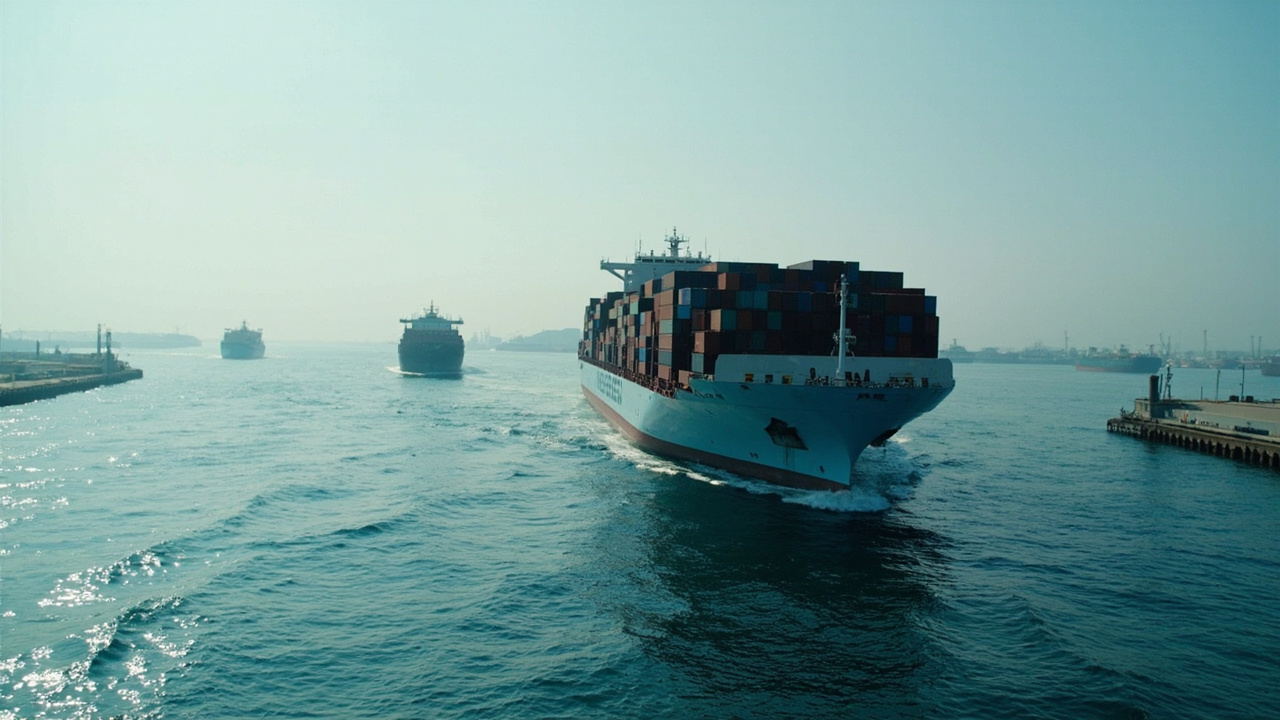
Maersk, the world's second-largest container shipping line, said the ceasefire "may create transit opportunities" but "does not yet provide the full maritime certainty required to resume Strait of Hormuz operations" [1]. The company has not sent a vessel through the strait since March 15.
The gap between a ceasefire and commercial confidence is measured in insurance premiums. War-risk insurance for Hormuz transit remains at 35 to 50 times pre-conflict levels, according to industry data compiled by Insurance Journal [2]. A single transit that cost $15,000 to insure in February now runs between $525,000 and $750,000. No shipping company absorbs that cost voluntarily.
More than 800 vessels remain queued outside the strait or rerouted around the Cape of Good Hope, adding 10 to 21 days to Asia-Europe voyages depending on vessel speed and port congestion. The backlog will take weeks to clear even if transit resumes immediately, which Maersk has indicated it will not.
The ceasefire creates a paradox for commercial shipping. Insurers will not lower rates until transit resumes safely. Shipping lines will not resume transit until rates fall. The result is a standoff that a 14-day truce is unlikely to break. Lloyd's of London war-risk underwriters have said they need a sustained period of safe passage — measured in weeks, not days — before reconsidering premiums.
For now, the world's goods continue to take the long way around Africa. The ceasefire changed the diplomatic calendar. It has not changed the shipping lanes.
-- DARA OSEI, London