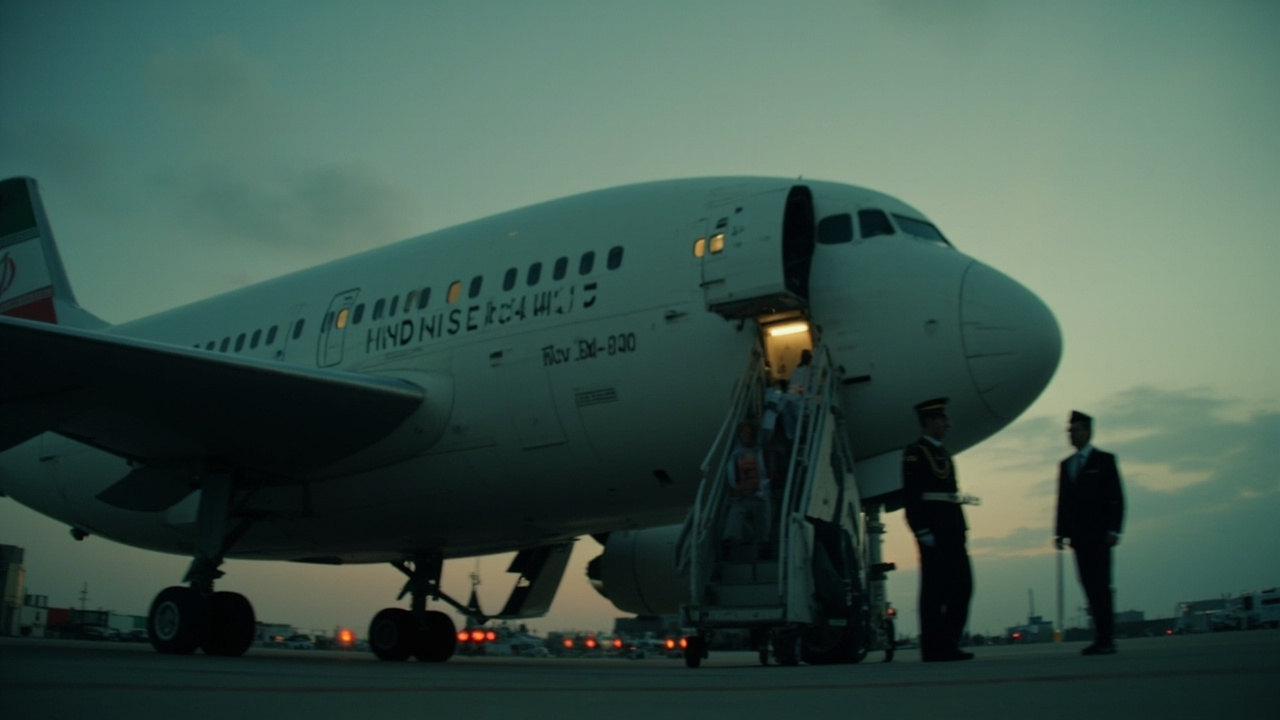
Mohammad Bagher Ghalibaf landed in Tehran on Sunday night with the Islamabad talks behind him and a message calibrated for domestic consumption. The parliamentary speaker, who led Iran's delegation at the Pakistan-mediated negotiations, told reporters the discussions "ultimately failed to gain the trust of the Iranian delegation." [1]
The language was deliberate. Not that Iran walked out — that the other side failed to earn trust. The framing places the burden of failure on Washington without admitting Tehran refused terms.
Ghalibaf then delivered the line already circulating across Iranian state media and X: "If they fight, we will fight, and if they come forward with logic, we will deal with logic. We will not bow to any threats, let them test our will once again so that we can teach them a bigger lesson." [1]
The defiance was not his alone. Iran's navy chief dismissed Trump's Hormuz blockade threat as "ridiculous." [2] Hardliner lawmakers in the Majlis said publicly they were happy the talks had collapsed, viewing any negotiated outcome as capitulation. [2]
The Islamabad format — indirect talks through Pakistani intermediaries — was always fragile. What Ghalibaf brought back was not a diplomatic failure but a political asset: the ability to tell Tehran's power centers that he went, listened, and found the Americans unserious. Whether that account survives contact with the economic reality of sustained sanctions is the question the defiance is designed to defer.
-- YOSEF STERN, Jerusalem