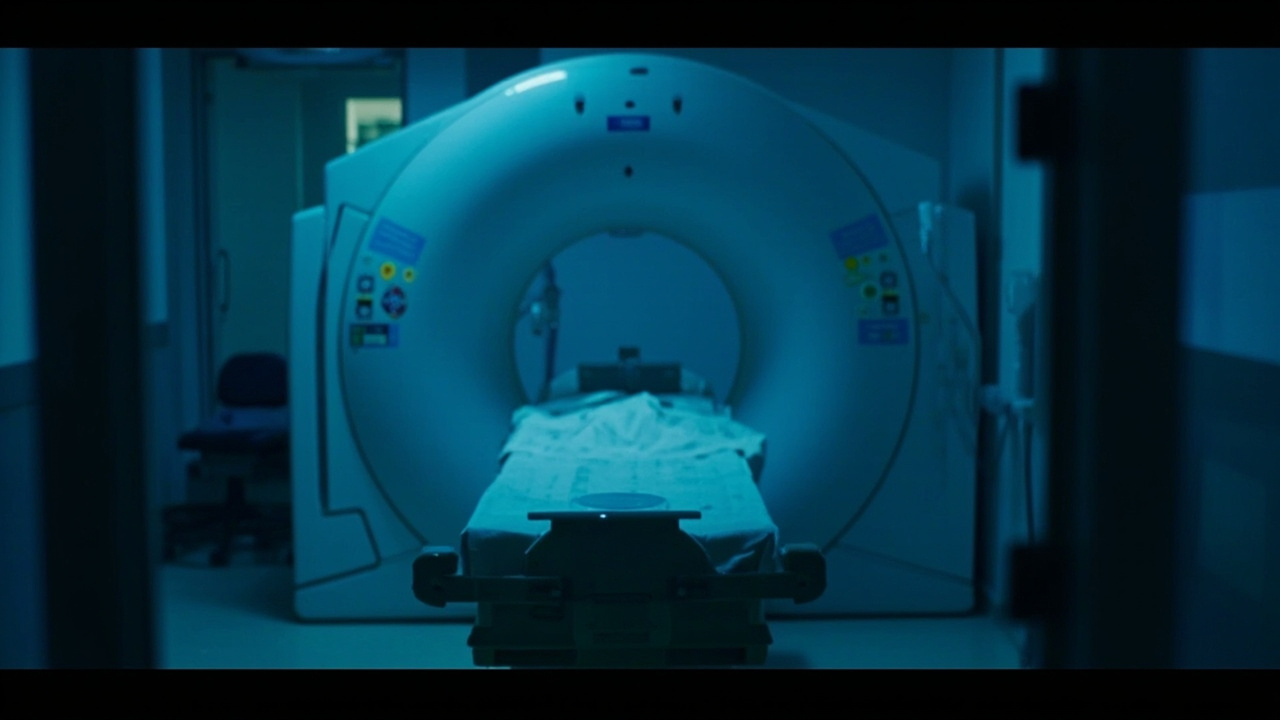
American hospitals are rationing MRI scans as a helium shortage ripples through the healthcare system — one of the war's least visible but most consequential second-order effects.
MRI machines require liquid helium to cool their superconducting magnets to near absolute zero. Qatar, the world's second-largest helium producer, normally supplies roughly 25 percent of global output. But the effective closure of the Strait of Hormuz since late February has severed that supply line, and reserves are thinning fast. [1]
Hospital administrators across the Midwest and Southeast report stretching MRI schedules, prioritizing emergency and oncology scans while deferring routine imaging. Some facilities have moved to shorter operating windows to conserve helium. Others are exploring partnerships with helium recyclers — small firms that capture and reprocess the gas as it boils off from magnets.
The shortage predates the war. A global helium market that was already tight — squeezed by the closure of the U.S. Bureau of Land Management's Federal Helium Reserve in 2023 and production issues at facilities in Russia and Algeria — had little slack to absorb the Hormuz disruption. [1]
Helium cannot be synthesized economically. Once vented, it escapes Earth's atmosphere permanently. The element is a finite resource treated by supply chains as though it were renewable.
For patients awaiting a scan that could detect a tumor or guide a surgical plan, the geopolitics of the Persian Gulf have become intensely personal. [2]
-- NORA WHITFIELD, Chicago