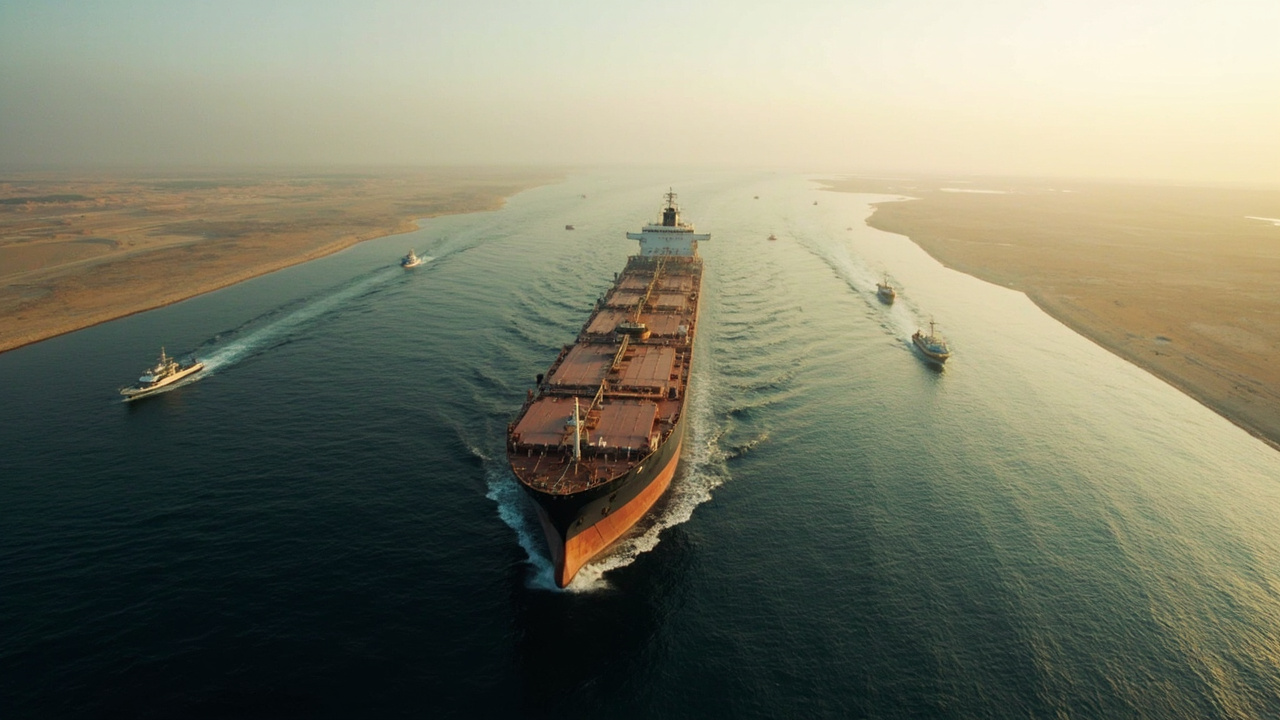
The math of moving oil through the Strait of Hormuz has changed. War risk premiums for tankers transiting the waterway have surged 200 to 300 percent since the conflict began, transforming what was once a routine insurance line item into a voyage-defining cost. [1]
Before the war, war risk premiums ran between 0.02 and 0.05 percent of a vessel's insured value — manageable, forgettable. Today they sit between 0.5 and 1 percent. For a tanker valued at $120 million, that translates to $600,000 to $1.2 million in additional premium per voyage. Jefferies estimates that at a 3 percent rate — which some underwriters now quote for high-risk transits — a single voyage could carry a $7.5 million insurance bill. [1] [2]
The Lloyd's market is under pressure. Underwriters who built books around Gulf transit are repricing or withdrawing capacity entirely. Shippers face a cascading problem: higher premiums push up freight rates, which push up the delivered cost of crude, which feeds into the pump price consumers pay thousands of miles from the strait. [2]
On X, maritime accounts have taken to calling Hormuz the most expensive waterway on Earth. MSM covers the surge as an insurance story. What neither examines is the structural consequence: at these premiums, marginal cargoes simply stop moving. The strait remains open, but the cost of using it is performing the blockade's work.
-- THEO KAPLAN, San Francisco