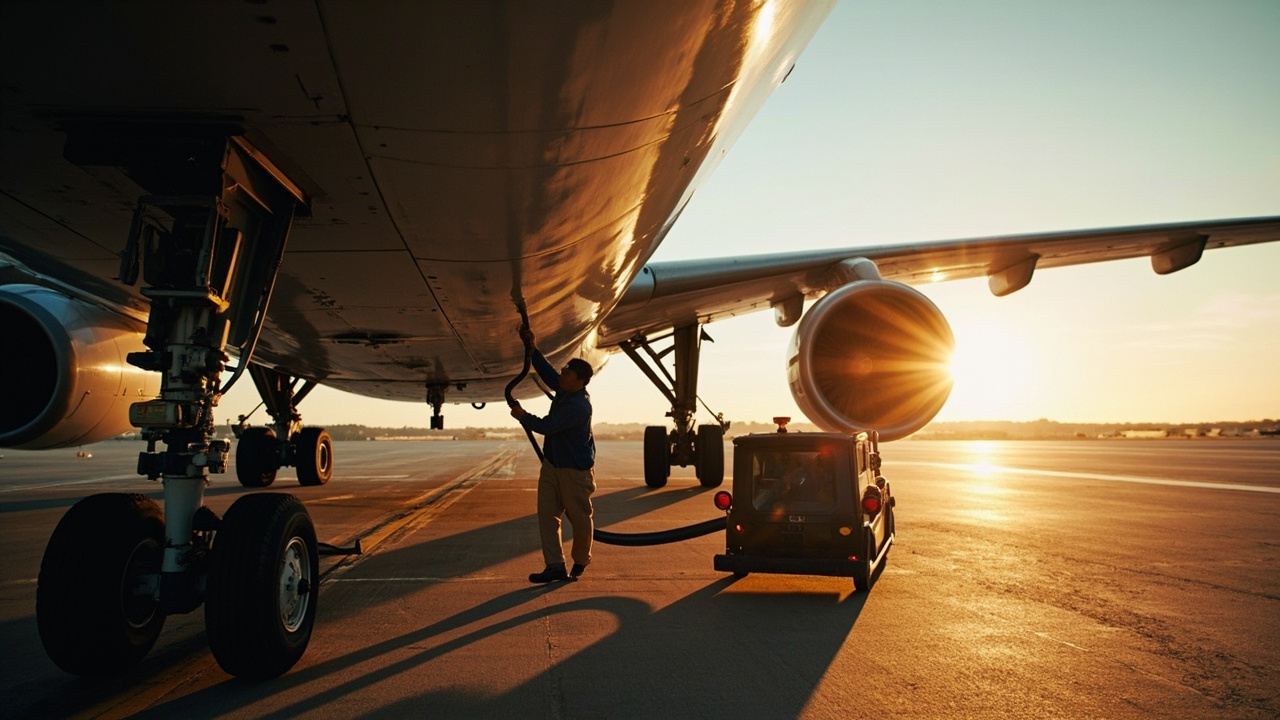
Crude oil prices may have dipped below $100 after ceasefire talk, but the aviation industry is not celebrating. Jet fuel costs will remain elevated for months regardless of diplomacy, the head of the International Air Transport Association warned last week. [1]
IATA Director General Willie Walsh told reporters in Singapore that refinery damage across the Middle East has created a supply bottleneck that cannot be quickly reversed. "If it were to reopen and remain open, I think it will still take a period of months to get back to where supply needs to be," Walsh said. [1]
Jet fuel prices have more than doubled since the conflict began, far outpacing a roughly 50 percent rise in crude. The divergence reflects the refining crunch: Middle Eastern refineries processed a significant share of the world's kerosene, and many are offline. [2] Delta Air Lines expects to pay $4.30 per gallon for jet fuel in Q2, translating to roughly $2 billion in additional costs.
Walsh dismissed COVID comparisons. "In COVID, capacity reduced by 95% because borders closed. We're nowhere near that." He compared the situation instead to the post-9/11 downturn, which took four months to recover, and the 2008-2009 crisis, which needed ten to twelve months. [1]
Airlines across Asia have already cut flights, added refueling stops, and carried extra fuel from home airports. European carriers are burning through their fuel hedges. The message from industry: even peace won't fix this fast.
-- DARA OSEI, London