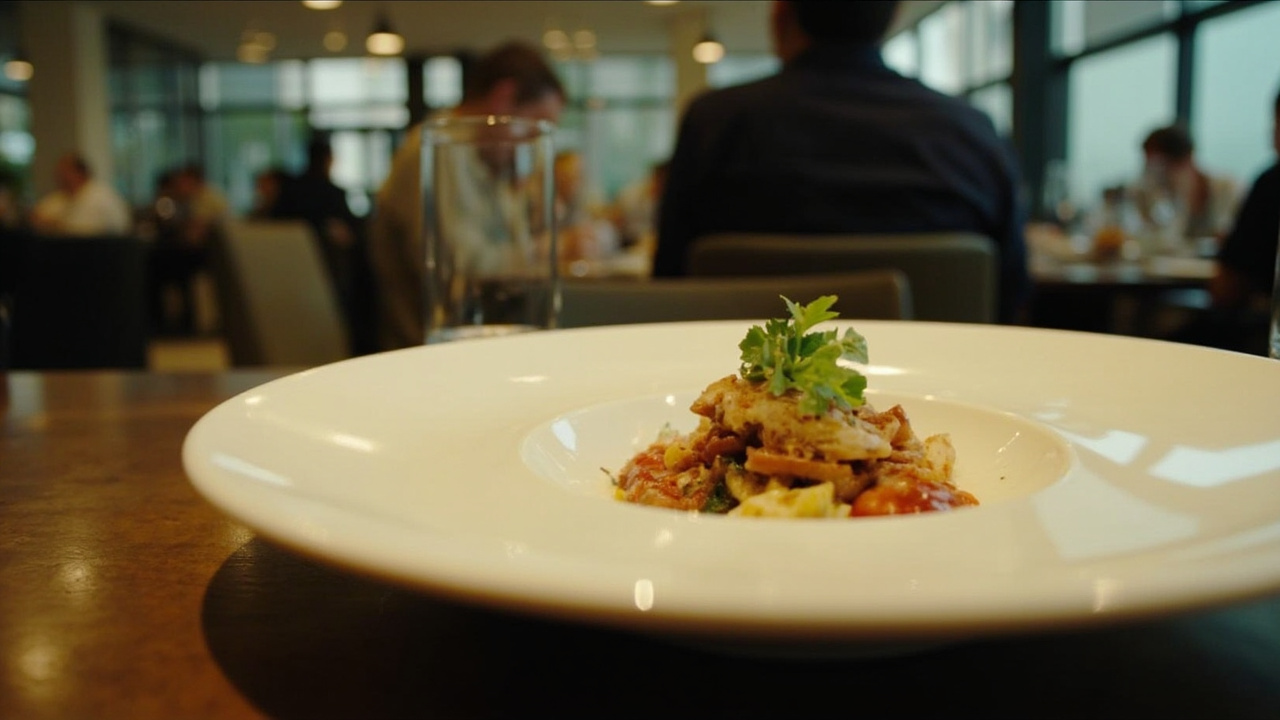
The Ozempic effect has reached the dinner table. Olive Garden, Cheesecake Factory, P.F. Chang's, and Cuba Libre are among the restaurant chains now adding smaller-portion options to their menus — a direct response to the estimated one in eight Americans currently taking GLP-1 weight-loss drugs. [1]
Cuba Libre's adaptation is the most explicit. The Philadelphia-based chain launched a "GLP-Wonderful" menu that reduces dishes from roughly 1,000 calories to around 400, with the medication's appetite-suppressing effects baked into the design. Darden Restaurants, which owns Olive Garden, has taken a softer approach. CEO Rick Cardenas told investors that "abundance is different for everybody" — corporate-speak for the recognition that the customer who once ordered unlimited breadsticks now wants less food for the same experience. [1] [2]
The numbers driving the shift are hard to ignore. GLP-1 prescriptions have reshaped the American appetite at a pace no dietary trend has matched. Restaurants that built their economics on large portions and high calorie counts face a structural demand change, not a fad. [1]
On X, the response splits between those celebrating the end of American portion excess and those mocking chains for monetizing a pharmaceutical trend. MSM frames it as a business adaptation story. What neither side quite names is the strangeness: an industry built on encouraging overconsumption is now redesigning itself around a drug that suppresses desire.
-- NORA WHITFIELD, Chicago