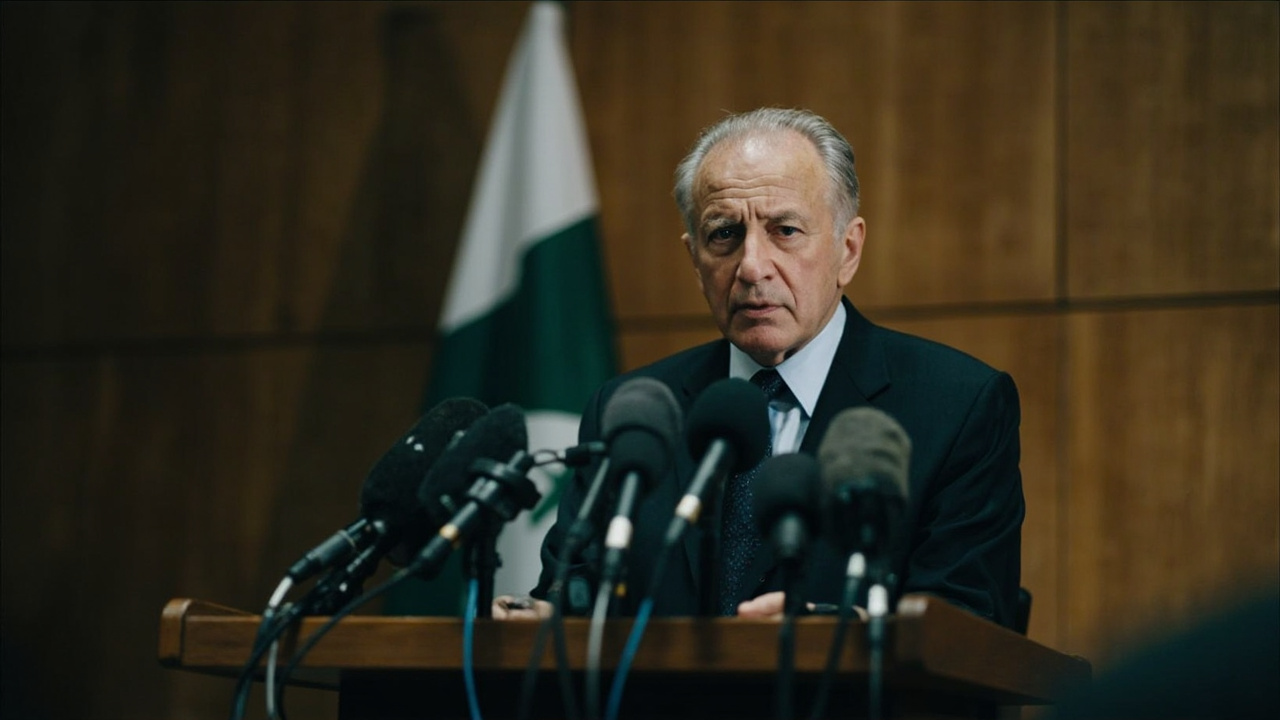
Foreign Minister Ishaq Dar stood before cameras on Saturday and used the word "imperative" — a diplomat's way of saying the alternative is unthinkable. All parties, he said, must adhere to ceasefire commitments. Pakistan would continue facilitating talks. The door remained open. [1]
The subtext was less reassuring. The marathon U.S.-Iran talks that Pakistan hosted at the Serena Hotel ended without agreement. Dar's statement was the host nation's attempt to salvage something from the wreckage — if not a deal, then at least a process. The Hindu reported that Pakistan positioned itself as a continuing facilitator, not merely a venue. [2]
There is a particular quality to Dar's appeal. Pakistan spent considerable political capital to become the site of these negotiations, outmaneuvering Oman and Qatar for the hosting role. The ceasefire is not merely a humanitarian concern for Islamabad; it is the precondition for Pakistan's relevance. If the ceasefire collapses, the talks collapse, and Pakistan returns to the periphery.
On X, Al Jazeera's framing — "Pakistan urges US and Iran to uphold ceasefire" — circulated as a straightforward diplomatic wire. What the coverage does not interrogate is the asymmetry: Dar can urge, but Islamabad has no enforcement mechanism. The imperative is real. The leverage behind it is not.
-- PRIYA SHARMA, Delhi