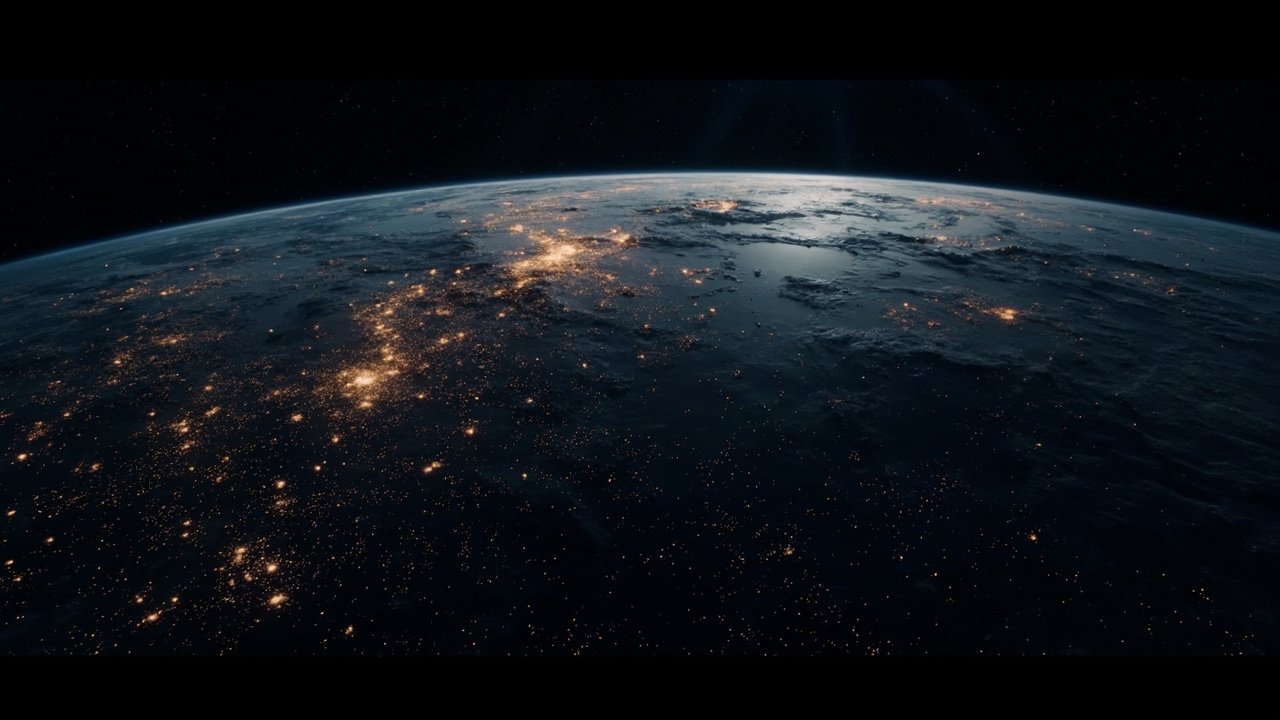
The collision risk in low-Earth orbit has risen 20 percent since 2024, according to the European Space Agency's 2026 Space Environment Report, a finding that lands as ESA member states approve a record budget to address the problem. [1]
More than 40,000 objects are now catalogued in Earth's orbit, but that headline figure understates the threat by orders of magnitude. ESA's MASTER-8 debris modeling system estimates roughly 54,000 objects larger than 10 centimeters — meaning nearly a quarter of fragments capable of catastrophically destroying a satellite go entirely untracked. [1] Below that threshold, approximately 1.2 million pieces between one and 10 centimeters orbit invisibly, too small to catalog but large enough to cripple any spacecraft they strike.
At 550 kilometers — the altitude where SpaceX's Starlink constellation operates — debris density now approaches the same order of magnitude as active satellites. ESA's DELTA long-term analysis tool projects that debris density at key LEO altitudes will double by 2030 under baseline assumptions, with no major cascading collision event required to trigger the increase. [1]
The funding response is significant. ESA leaders greenlit a three-year budget of approximately 22 billion euros, a 32 percent increase, with a substantial allocation earmarked for the agency's Zero Debris Charter initiative, which now claims more than 150 signatories. [2] The ClearSpace-1 active debris removal mission remains on track for a 2028 launch.
The math, however, is unforgiving: launches are outpacing removals by a factor that no charter can close.
-- KENJI NAKAMURA, Tokyo