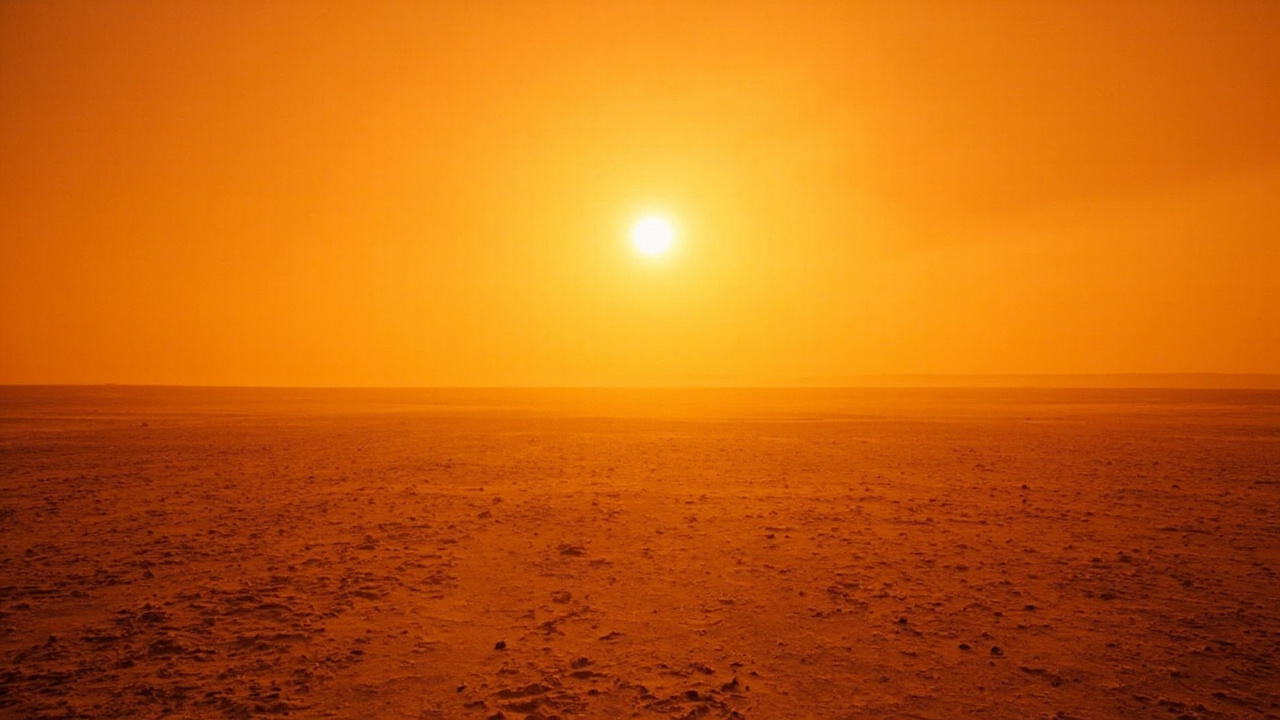
The winter of 2025-26 was the second warmest on record for the contiguous United States, and across the western half of the country, it was the warmest ever measured — with margins large enough to unsettle even climate scientists accustomed to broken records. [1]
Nine states finished with their warmest meteorological winter on record: Arizona, Colorado, New Mexico, Nevada, Texas, Oklahoma, Oregon, Utah, and Wyoming. [2] Salt Lake City broke its previous winter temperature record by a staggering 2.3 degrees Fahrenheit — the kind of margin that in climate data reads less like a new record and more like a new baseline. Phoenix, Las Vegas, Albuquerque, Oklahoma City, and El Paso all registered their warmest winters as well. Dallas recorded 16 days with highs of at least 80 degrees Fahrenheit during meteorological winter, a seasonal record. [2]
The eastern United States experienced persistent cold that ranked in the top 25 to 50 historically but nowhere near record territory — creating a perception problem as millions shoveled snow in the Northeast while the West baked through a winter that barely registered as one. [1]
NOAA confirmed that this winter was also exceptionally dry, ranking as the driest in 45 years for the Lower 48. More than half the contiguous United States is now experiencing drought conditions, with mountain snowpack at crisis levels across the Rockies. [2]
Q1 2026 data, when finalized, is expected to extend the streak of record-warm quarters.
-- DARA OSEI, London