The television cancellation tracker for 2026 already reads like an obituary page. Watson, the CBS procedural that premiered in January, was canceled after one season. [1] Palm Royale, Apple TV+'s critically admired period comedy, was cut after two seasons. DMV, another CBS freshman, did not survive its debut run. [1] Netflix canceled four shows. NBC axed six. Fox contributed at least one. The combined tally exceeds eleven major cancellations before mid-April, a pace that, if sustained, would surpass any full year on record. [1]
The pattern is not mysterious — it is arithmetic. Streaming platforms commission aggressively, measure ruthlessly, and cancel quickly. A show that would have been given three seasons to find an audience on broadcast television in 2010 now gets eight episodes to justify its production budget against a viewership algorithm that values engagement minutes per dollar spent. Palm Royale had critical acclaim and awards attention; it did not have the engagement curve Apple's data team required. [1]
The network casualties tell the same story from a different angle. CBS and NBC, once bastions of patience with modest-rated shows that served as schedule anchors, are now pruning lineups with the same speed as streamers. The distinction between broadcast and streaming cancellation logic has effectively disappeared. [1]
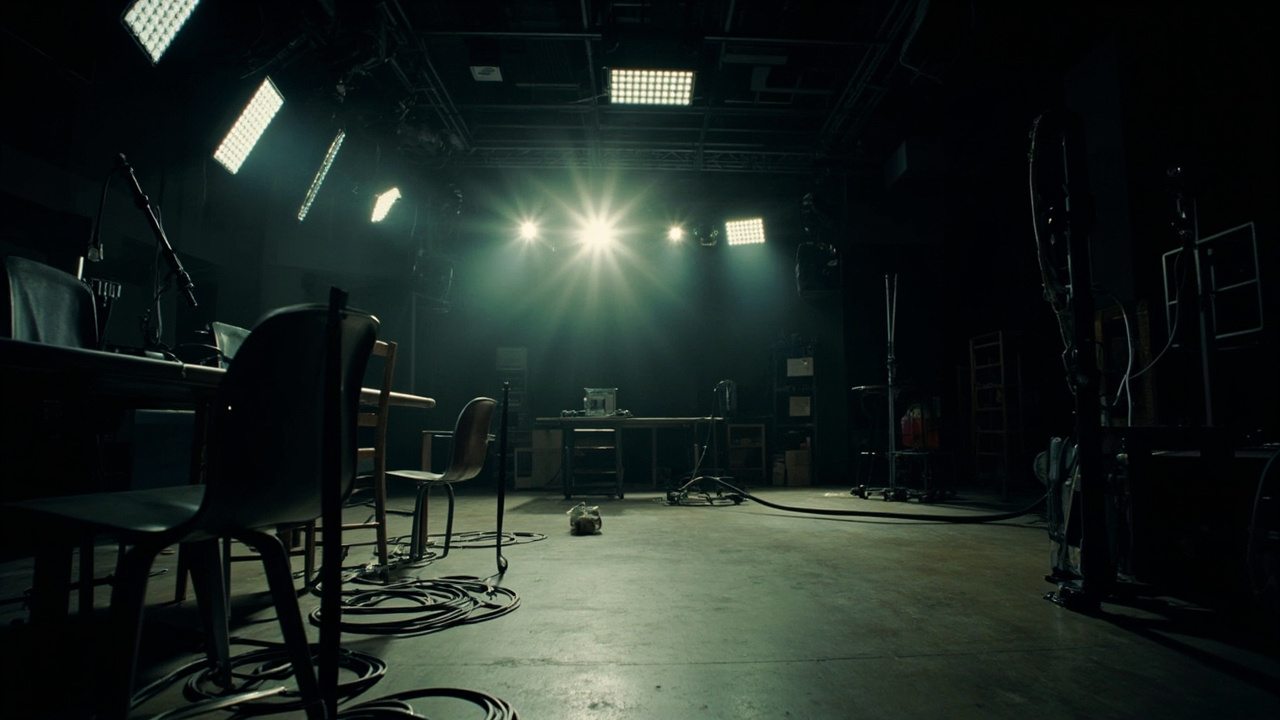
What the numbers do not capture is the downstream effect on creative labor. Every canceled show represents writers' rooms that will not reopen, crew members who will not be rehired, and production facilities that will sit idle. The industry spent 2023 striking over exactly this dynamic. Three years later, the dynamic has accelerated.
-- CAMILLE BEAUMONT, Los Angeles