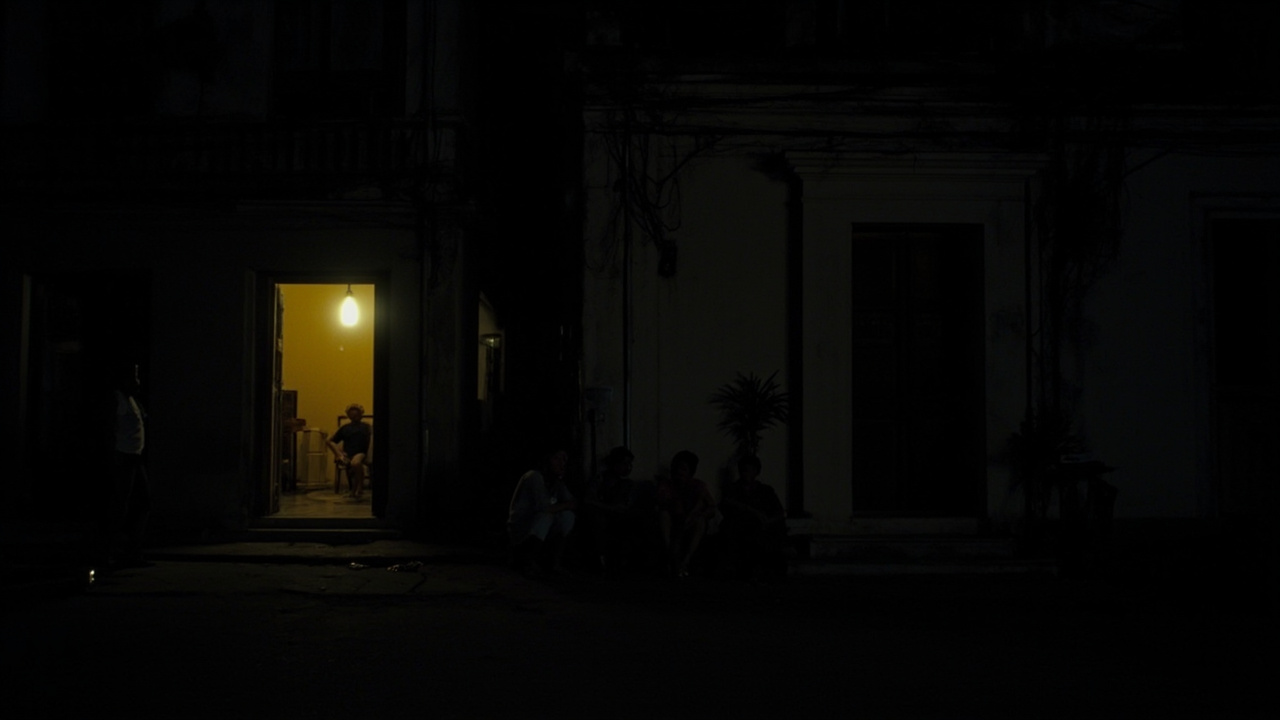
The two-week ceasefire between the United States and Iran has raised hopes of eased oil flows through the Strait of Hormuz, but for Cuba, the reprieve arrives too late to matter. The island's power grid collapsed three times in March alone, and the underlying infrastructure cannot be repaired by restored fuel deliveries. [1]
Cuba's electrical system runs on Soviet-era thermoelectric plants, most built in the 1970s and 1980s, now operating decades past their engineered lifespan. The Antonio Guiteras plant — the island's largest — failed on March 16, triggering a nationwide blackout affecting all 11 million residents. Power was partially restored after 29 hours, only for the grid to collapse again five days later, and again the following day. [2]
The US oil blockade on Cuban-bound shipments, imposed as part of broader sanctions enforcement during the Iran conflict, cut the island's already reduced imports from Venezuela and Mexico. But the blockade accelerated a crisis that predates any single policy. Cuba's generation deficit exceeded 1,800 megawatts before the war started, and even a Turkish floating power plant dispatched to Havana harbor cannot close the gap.
On X, the debate splits along familiar lines: sanctions critics call the blackouts an American humanitarian crime, while Cuba's diaspora community points to decades of underinvestment by Havana. Both are partly right, and Cuba remains dark either way.
-- LUCIA VEGA, São Paulo