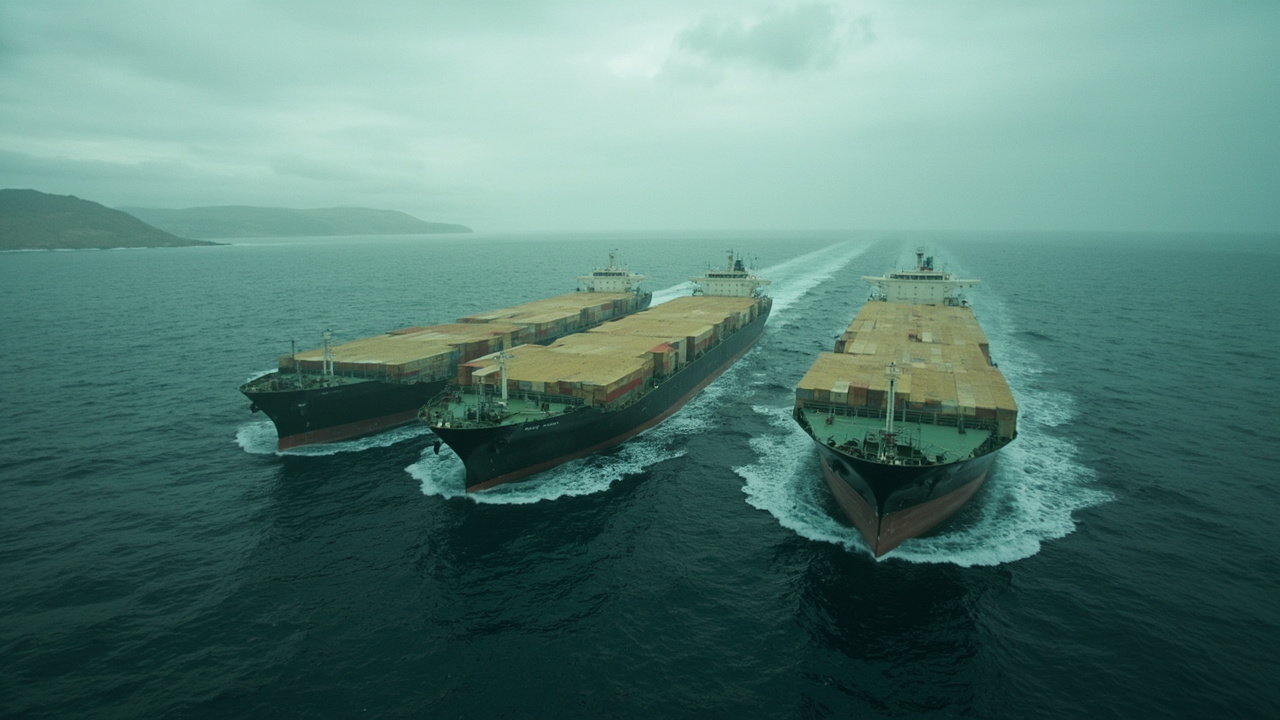
The United Nations Food and Agriculture Organization warned this week that a protracted disruption to the Strait of Hormuz could produce a "global agrifood catastrophe," with fertilizer and energy shipments already delayed and crop yields at risk through 2027. [1]
FAO chief economist Maximo Torero said the clock is ticking for agricultural systems that depend on Gulf-origin fertilizer inputs and fuel shipments transiting the strait. Nearly half the world's seaborne fertilizer trade passes through Hormuz. Delays measured in days now will translate into reduced application rates during planting seasons, lower yields at harvest, and higher food prices on every continent. [2]
The warning landed two days into the US-Iran ceasefire, but the FAO's concern is structural, not cyclical. Even if the strait fully reopens tomorrow, the backlog of delayed shipments has already disrupted procurement timelines for spring planting in South Asia and sub-Saharan Africa. The damage compounds forward — a missed fertilizer window cannot be recovered retroactively.
On X, the statement circulated widely among food-security researchers and commodity traders. Several noted that while oil prices dominate the Hormuz conversation, the fertilizer disruption may ultimately cause more human suffering. The war's most devastating economic weapon may not be the one either side intended to deploy.
The FAO called on all parties to ensure unimpeded passage for agricultural commodities, a request that carries no enforcement mechanism.
-- LUCIA VEGA, São Paulo