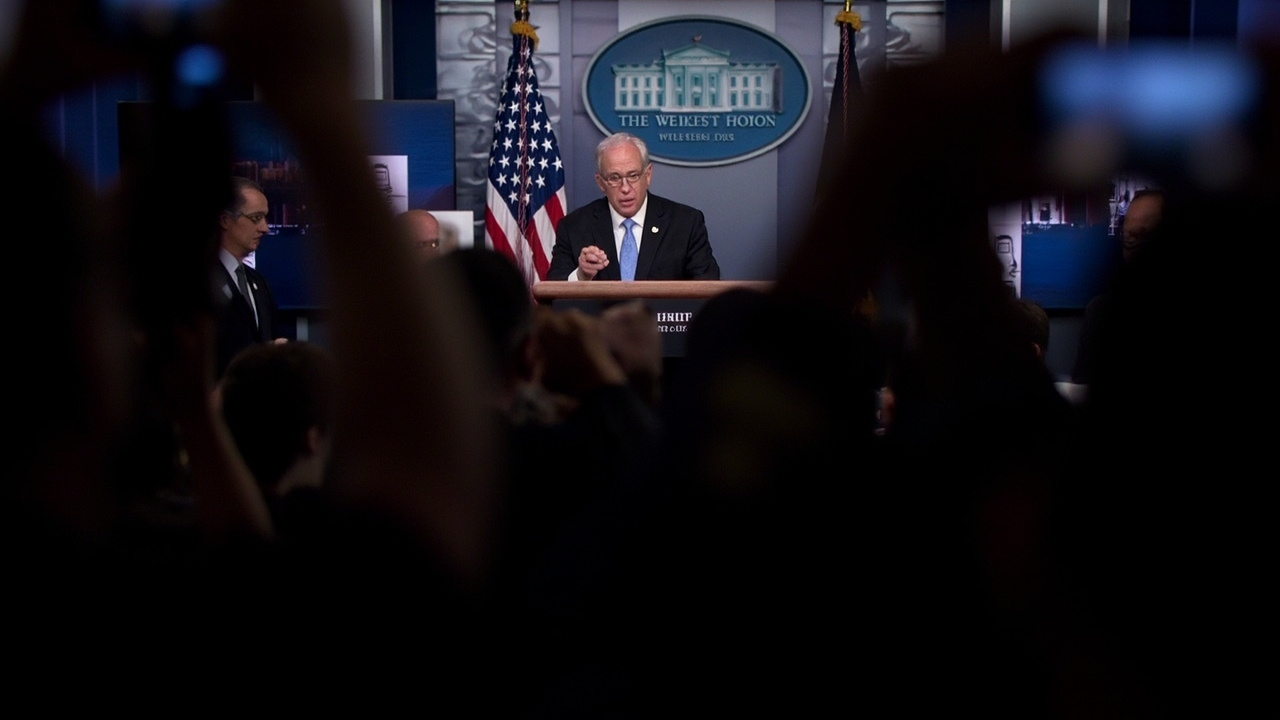
Defense Secretary Pete Hegseth and Joint Chiefs Chairman General Dan Caine held a Pentagon press briefing Wednesday on the status of the US-Iran ceasefire and the ongoing naval blockade of the Strait of Hormuz. The message was not conciliatory. [1]
Hegseth said the United States would maintain the blockade "as long as necessary" and described American forces as "reloading with more power than before." He claimed Iran was "digging out of bombed out and devastated facilities" and attempting to recover remaining missile launchers — language designed to project decisive military advantage rather than ceasefire diplomacy. [2]
General Caine provided operational details, noting that US Central Command had used less than 10 percent of its available ordnance during active hostilities. The statistic was framed as capability, not restraint — a signal to Tehran and to domestic audiences that the military has substantial reserves should the ceasefire collapse.
The briefing's tone sat uneasily beside the ceasefire itself. A genuine pause in hostilities typically involves language of caution, restraint, and negotiation. Hegseth's remarks read more like a halftime assessment — we are winning, we have more, and we are ready to resume. On X, military analysts noted the dissonance. The Pentagon is briefing like a combatant, not a peacemaker.
The two-week ceasefire entered its third day with no reported violations. Whether the language from either side survives the full fourteen days is the operative question.
-- SAMUEL CRANE, Washington