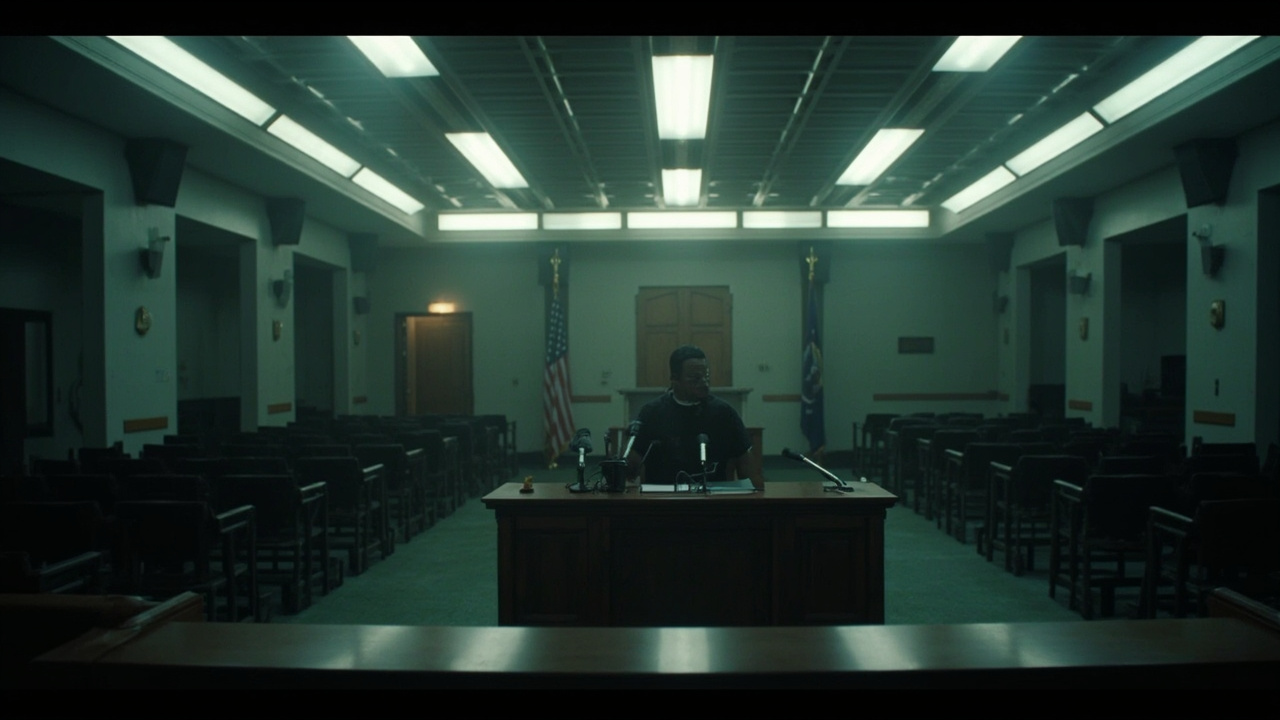
A fourth federal judge has now ruled that the Pentagon's exclusion of specific news outlets from press facilities violates the First Amendment. The Defense Department has complied with none of them. Yesterday, this paper documented the third ruling and zero compliance. Today, the number is four — and the pattern has moved beyond dispute into something that requires a different word. [1]
Judge Paul Friedman, who issued the original March 20 ruling striking down the Pentagon's media access policy as unconstitutional, found on April 9 that the Defense Department had violated his order. [2] The Pentagon's revised policy used what Friedman called "slightly different language" to produce the same effect — barring named outlets including the New York Times, the Washington Post, and three wire services from Pentagon press facilities. [3]
USA Today's framing is worth noting. The outlet's headline used the word "again," signaling a shift from treating each ruling as a discrete legal event to recognizing a cumulative pattern. [1] That editorial evolution matters. When the first ruling landed in March, coverage framed it as a dispute between the press and the Pentagon. By the fourth ruling, the framing has shifted toward something closer to defiance of the judiciary itself.
The Pentagon has appealed, buying time through the procedural mechanisms that make constitutional confrontations slow and boring — which is precisely the strategy. [3] Each day of noncompliance is a day the excluded outlets cannot cover the Defense Department from inside the building. Each appeal extends that exclusion by weeks or months. The legal question — whether the government can selectively deny press credentials as punishment — has been answered four times. The operational question — whether anyone can compel the Pentagon to obey — remains open.
Defense Secretary Pete Hegseth has not publicly addressed the rulings. The Reporters Committee for Freedom of the Press called the pattern "unprecedented in peacetime," a qualifier that acknowledges the wartime context the Pentagon will likely invoke in its defense. [2]
One ignored ruling is a dispute. Four is a policy.
-- ANNA WEBER, Berlin