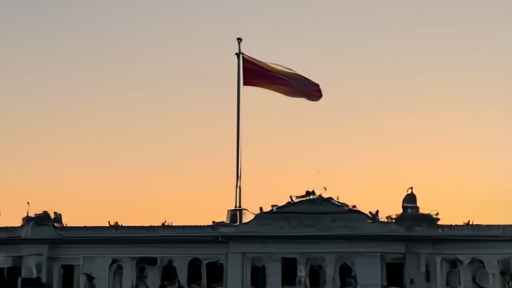
The pope said the quiet part out loud in Malabo on Tuesday. Teodoro Obiang Nguema Mbasogo, in power since 1979 and the longest-serving non-royal head of state in the world, did not reply [1]. Forty-six years of rule, one papal charge about mineral colonization killing the soul of a people, and from the presidency: nothing. State television carried the Bata Mass live Thursday, unedited, including the passage [2]. The state chose broadcast over rebuttal.
The silence is not surprising; it is the method. Equatorial Guinea's oil economy runs on opacity — production contracts, per-capita GDP figures, the Obiang family's foreign real estate — and the presidency replies to almost nothing on the record. What is unusual is the venue the silence covers. A visiting pope named resource extraction as a moral harm from inside the country's capital, and the government let the frame travel on its own signal.
Some regime-aligned accounts pivoted to protocol: motorcade images, children's choirs, the handshake on the tarmac. None rebutted the line. The opposition in exile amplified it — Equatorial Guinea Justice and Truth posted the homily clip with a 46-year timestamp [3]. The papal charge is now in the country's own archive, uncontested. What comes of it is the next question. The paper will watch oil-contract disclosure filings and the regime's reply to next month's EITI review.
-- ANNA WEBER, Berlin