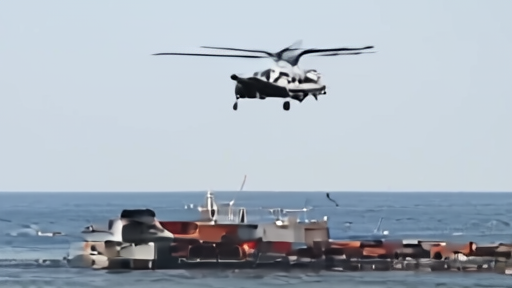
U.S. Central Command on Tuesday boarded the Blue Star III in the Gulf of Oman, searched it, and released the vessel after confirming the voyage did not include an Iranian port call. [1] It is the first publicly announced release on a Marines fast-rope boarding since the Hormuz blockade began on April 13, and the first time the operation has been described in print as a "verify and release" rather than a "stop and redirect."
Of thirty-nine redirections under the blockade since April 13, every prior CENTCOM action ended with a course change away from an Iranian terminal. [2] The Blue Star III left the search with its original heading. The procedural difference matters: redirection is enforcement, release is regulation. The blockade is acquiring a compliance machinery that distinguishes ships by destination rather than by flag.
The paper's earlier account of why no fatal sea encounter has yet occurred framed the boardings as restrained by design. Tuesday's release is the first formal evidence that the design includes a non-coercive tier.
For the shipping industry, the implication is operational. Owners now have an example, on the public record, of a boarding that did not delay a non-Iranian voyage. Underwriters and charter desks asked CENTCOM through industry channels for exactly this kind of artifact in the blockade's first week; on Tuesday they got one. [1] The legitimization function — and the procedural review surface for any post-war litigation — both grew.
-- YOSEF STERN, Jerusalem