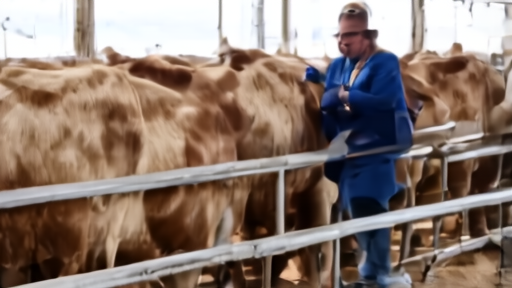
Idaho's state veterinarian Scott Leibsle confirmed on April 21 that 17 dairies across five counties are under H5N1 quarantine, the highest tally the state has carried in months, and said on the record that the virus is moving from cow to cow rather than arriving on the wings of waterfowl. "Dairy cattle are giving it to other dairy cattle," Leibsle told Capital Press, citing the routine April 13 surveillance round that picked up five new positive herds. [1]
Yesterday the paper called Idaho's H5N1 problem a public-trust map problem, not a milk panic. The map has cleared up. State numbers now match the USDA's Animal and Plant Health Inspection Service livestock dashboard. [2] The source-attribution gap, the part that mattered for whether containment was a flyway story or a barn story, has cleared up too, and the answer is the barn.
Cassia, Gooding, Jerome, Twin Falls, and Canyon counties are the named jurisdictions; the seventeenth herd brought a fifth county into the count this month. Leibsle said the herds detected in the latest round were producing milk at high yields without obvious symptoms — the asymptomatic-at-production pattern that the Idaho Statesman documented last fall. [3] Routine bulk-tank surveillance under the USDA's National Milk Testing Strategy is the reason the cases were found at all; dairies have testing windows that the state can repeat. [4]
The wild-bird question matters because policy follows it. If the source is migration, containment is a biosecurity story about waterfowl access, feed protection, and migratory windows. If the source is movement of cattle, milking equipment, workers, or trucks between farms, containment is a paperwork story about quarantine designation, interstate shipment rules, and cleaning protocols on shared service contractors. Leibsle has put Idaho on the second track, and on the record. [1]
For the milk consumer, the operational answer has not changed. Pasteurization inactivates H5N1; the FDA's pasteurized-milk surveillance has not flagged a viable virus in commercial product. Raw-milk products from quarantined herds are restricted from interstate sale. The 17 quarantined dairies sit inside the National Milk Testing Strategy's five-stage roadmap, which moves a state from voluntary surveillance through bulk-tank testing to interstate-movement controls. Idaho is the state that has already cycled through the curve once. [4]
The reason the rest of the country needs Idaho's call is the contrast. California reported more than 200 confirmed dairy cases in a single month last fall, and rendering trucks could not keep up with cow deaths. Idaho's outbreak, by Leibsle's accounting, has produced roughly 35 quarantined dairies cumulatively since spring 2024, with current active cases at 17. The herds that came off quarantine the first time around are getting sick again — that is the cattle-to-cattle thesis writing its second draft. [3]
What Idaho does not yet have is a public-facing dashboard that lists the quarantined dairies by name. The Idaho Statesman's reporting last June found that dairy farmers had been reluctant to volunteer access to regulators, and the state has not pierced that reluctance with public disclosure of operator-level data. [3] That gap remains. The argument the paper made yesterday — that disclosure architecture is the trust architecture — has not been answered. The state has answered the source-attribution question. The map question is open.
The cattle-to-cattle attribution also reframes the human-exposure question. Three of the dozen-plus U.S. dairy-worker H5N1 infections to date involved direct cow contact; the asymptomatic-cow pattern means a worker can encounter the virus without obvious warning. CDC continues to assess general public risk as low. The agencies and the state vet, after a year of friction, are using the same nouns this week.
-- KENJI NAKAMURA, Tokyo