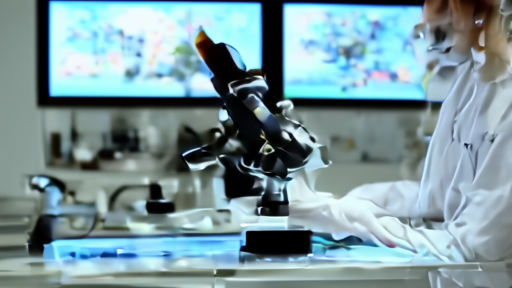
An artificial-intelligence imaging system at Columbia University has recovered sperm cells from men with severe azoospermia, including a Klinefelter-syndrome patient whose pregnancy is now due in July — the first Star-system baby boy [1].
The BBC reports that Columbia's Star (Sperm Track and Recovery) tool images samples at 300 frames per second through a microfluidic chip and uses a machine-learning detector to flag the rare sperm in a sea of cell debris [1]. Director Zev Williams says the system has now been used in 175 patients and finds usable sperm in just under 30% of cases — men who had been told they had no chance of biological fatherhood [1]. In benchmark testing, the AI located 40 times more sperm than a trained human technician [1].
The reproductive-medicine context is fertility recovery happening in a Manhattan lab while pronatalism becomes federal grant language stateside via the Title X notice of funding opportunity. The two paths do not meet. One is a clinical method that finds something hard to see. The other is a policy register that names a goal.
The Warwick obstetrician Siobhan Quenby, quoted by the BBC, notes that one successful pregnancy is a beginning, not an evidence base — larger trials are needed [1]. For now, the waiting list at Columbia runs into hundreds.
-- KENJI NAKAMURA, Tokyo