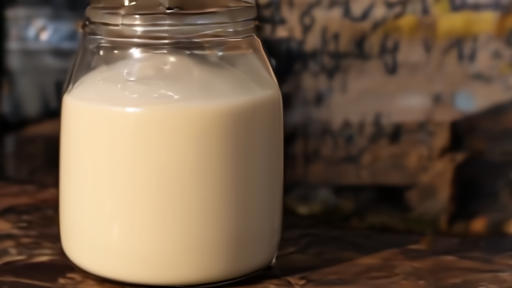
Twenty-five states now allow some form of raw-milk sale; ten more legislatures considered legalization or expansion bills this session — the largest cohort to take up raw-milk legislation in a single year since the early 1980s, an Associated Press investigation reported Wednesday. [1] The push is being driven by Make America Healthy Again advocacy networks, libertarian small-government coalitions, and dairy-farmer associations in states with declining commodity-milk margins. The same week, the Idaho dairy quarantine remained at 17 farms and Moderna started its H5N1 mRNA trial without federal funding. [2]
The collision is the news. Raw-milk legalization has historically been justified on consumer-choice and farm-economics grounds; outbreak data has lagged the legislation by 12–18 months. The CDC reports an annual average of 132 illnesses tied to raw-milk dairy products in the years before pasteurization-bypass laws expanded in 2019; preliminary 2025 data put the figure above 200, with three deaths linked to raw-milk listeriosis. [3] H5N1 added a second pathogen vector in 2024: the virus has been detected in raw milk samples from infected herds, and the CDC has advised against consumption of any unpasteurized dairy from quarantined dairies.
What the AP investigation documents is a velocity gap. Legislatures pass laws in months. Outbreak surveillance compiles annual reports the following year. By the time a state's first raw-milk H5N1 case surfaces, the law that legalized the sale will have been in force for twelve months and the affected dairies will have built customer relationships outside any state regulatory framework.
The Idaho 17-dairy quarantine is the variable the new state laws have not priced in. A raw-milk-legal state with an active H5N1 dairy quarantine will produce the first test of whether existing recall machinery can move at the speed at which the laws have stripped it.
-- NORA WHITFIELD, Chicago