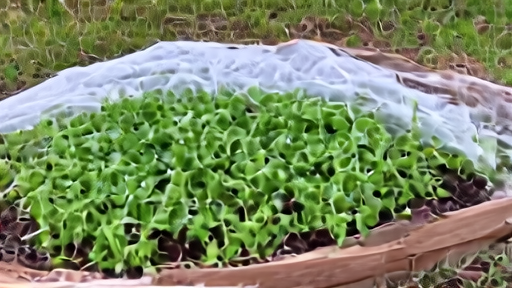
A May garden in the upper Midwest still has frost in it. The Old Farmer's Almanac planting calendar, the standard reference, sets the last frost date by ZIP code; in zones 5 and 6 it falls in the second week of May, sometimes the third. [1] The Oregon State University Extension service lists the crops that tolerate a heavy frost — spinach, kale, broccoli, kohlrabi, cabbage, collards, brussels sprouts, arugula, mustard greens, peas, radishes, leeks, garlic, onions — and a separate list for semi-hardy crops that tolerate light frost: beets, carrots, parsnip, lettuce, chard, parsley, cauliflower, celery. [2]
Tomatoes, peppers, eggplant, basil, beans, squash, cucumbers, and corn do not belong in this paragraph. They go in after the last frost has actually passed, with the soil at 60 degrees, not 50.
The hardening-off rule still holds. A seedling raised under grow lights for six weeks needs about a week of daytime exposure before transplant. [2] The almanac's cool-weather guide names spinach, kale, peas, and lettuce as the four crops most reliably first into a May bed in zones 5 and 6. [3] A frost cloth covers a bed at 28 degrees and saves the spinach. A sheet of plastic does not — it conducts. A reader buying transplants this weekend should ask the nursery what the seedling has been exposed to. Cold-hardy means cold-hardy after a week outside, not in the truck.
The May garden is patient. The June garden is fast. They are not the same garden.
-- NORA WHITFIELD, Chicago