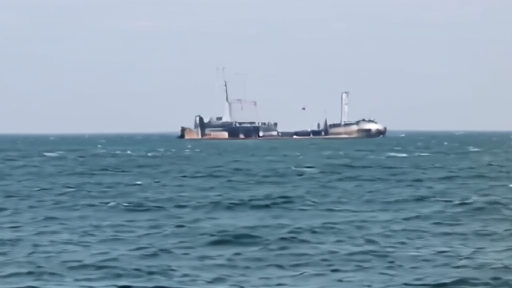
Twenty-six ships remain held in Iranian-controlled waters in the Strait of Hormuz, with approximately 900,000 barrels of daily oil output blocked and no change in status since the diplomatic deadline passed without resolution. The figure has not moved. The paper's Tuesday piece on Hormuz nearing the Iran deadline set up the watch. Wednesday delivers the same number, which is itself the story. [1]
The US launched Operation Project Freedom on May 4 — a Navy mission to escort commercial ships out of the Gulf — then paused it on May 6 when the Trump administration cited progress toward a possible agreement. That pause has not produced a deal. Meanwhile the shipping count has not declined. By mid-April, Lloyd's List reported at least 26 ships had managed to bypass the US blockade line; South Korean vessels alone account for a portion of those still stranded. The broader toll is starker: before the crisis, Hormuz handled an estimated 15 million barrels per day. In April, just 191 vessels recorded a crossing for the entire month. [2]
The 900,000-barrel figure represents the daily toll from the specific vessels held, not the full disruption to Hormuz traffic. Saudi Aramco CEO Amin Nasser has said the market loses 100 million barrels of supply every week the strait remains closed, and that the cumulative net loss has already exceeded 880 million barrels. [3] The ships held in Iranian waters are part of a broader machinery that does not move until something political moves first. Nothing political moved Wednesday.
-- YOSEF STERN, Jerusalem