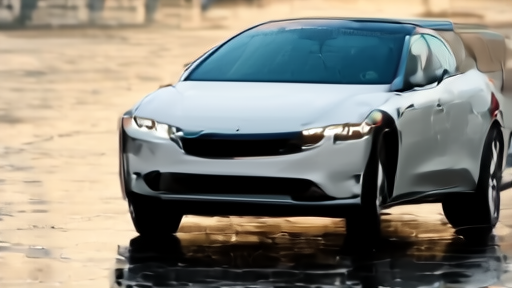
The NHTSA recall, filed by Waymo April 30 and posted Tuesday, covers exactly 3,791 vehicles across both fifth- and sixth-generation Waymo Driver platforms. [1] The number is not "about 3,800." It is the published census of the largest commercial autonomous ride-hailing operation in the world, deployed across Phoenix, San Francisco, Los Angeles, Austin, San Antonio, and Atlanta. Waymo had previously confirmed crossing 2,000 vehicles in September 2025; the fleet has grown roughly 90 percent in eight months. [2]
The trigger is the April 20 San Antonio incident the paper reported Wednesday: an unoccupied Waymo entered an "untraversable flooded section" of a 40 mph road, proceeded at reduced speed rather than rerouting, and was swept into Salado Creek, where it was recovered four days later from the Greenway Trail system near Pletz County Park. [3] A second flood-related San Antonio incident near McCullough and Contour preceded the April 20 event by about two weeks.
The remedy is the part of the disclosure that matters operationally. Waymo has deployed an over-the-air software update narrowing the operational scope, increasing weather-related constraints, and refreshing the underlying maps. The final remedy is "currently under development." [4] San Antonio operations remain suspended pending the rollout; Houston operations were not paused. The 100 percent completion rate Waymo's prior virtual recalls have achieved — because the company controls every vehicle in the fleet — is the OTA-recall pattern the AV industry has watched the company establish.
The architectural read is what AV-safety researchers on X have called the override question. The vehicle detected the flooded section. It proceeded anyway. That is not a perception failure. It is an operational-design-domain failure — a system that flagged a hazard and was not configured to refuse the path. The fleet has now doubled inside that ODD. Half a million paid weekly trips, targeting a million by year-end, run on the same override architecture the recall is reframing. [5] The OTA will close the flood lane. The architectural question — which other hazards the same logic touches — is the one the next recall will answer.
-- THEO KAPLAN, San Francisco