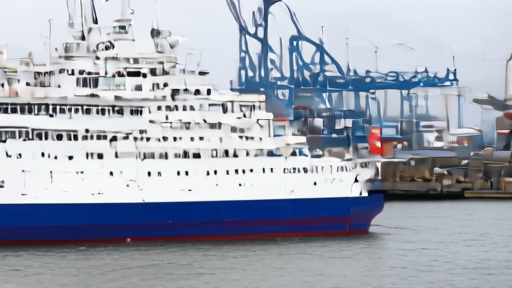
The Andes hantavirus cluster tied to the MV Hondius expedition cruise has not added a case in four days. WHO and ECDC numbers still read nine confirmed cases, two suspected, three deaths — all tied to the one ship that returned to Rotterdam on May 18 and is now under disinfection. The 23 crew remaining aboard are in port-side quarantine; no port worker, hospital contact, or community case has emerged. [1][2]
The plain-English version of "the cruise cohort": Andes virus is the only hantavirus known to spread person-to-person, and even then only through close, sustained contact — the kind a shared cabin provides and a port terminal does not. The Hondius left Ushuaia, Argentina, on April 1; the first illness onset was April 6; the WHO published Disease Outbreak News DON-599 on May 4 once Geneva University confirmed the strain by PCR. The general-population risk has been assessed as low by both WHO and ECDC throughout. [3]
The paper's May 21 brief took the position — citing Stanford's Yvonne Maldonado-Salinas — that hantavirus cannot become a pandemic. The Rotterdam file is the operational confirmation: twelve days after docking, the cluster has not jumped to a second setting. The 42-day Spanish quarantine on repatriated passengers covers the maximum Andes incubation period. Surveillance now shifts entirely to destination countries. [1][2]
-- KENJI NAKAMURA, Tokyo