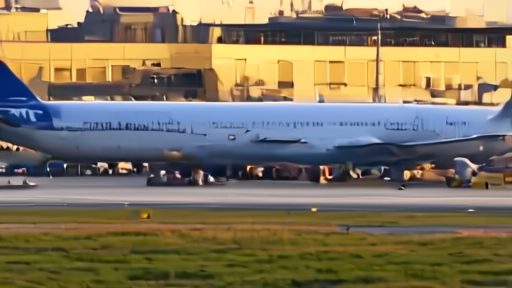
Brazil's Ports and Airports Ministry on Thursday published the operating rules for the R$1 billion ($179 million) airline credit line the National Monetary Council approved Wednesday. Banco do Brasil will run the facility at 100% of the interbank benchmark rate, with the federal government carrying the credit risk and each carrier capped at 1.6% of 2025 gross revenue or R$330 million ($59 million), whichever is lower. Funds release in a single tranche by June 28. [1][2]
The plain-English version: Latam, Gol, and Azul — the three big Brazilian carriers, all just out of U.S. Chapter 11 restructurings — pay fuel bills every week. Petrobras lifted wholesale jet-kerosene 54.6% in April and another 18% on May 1, taking the price roughly 90% above January and pushing fuel from about 35% of operating costs to about 45%. The loan is working-capital money, six-month tenor, for paying the next kerosene invoice and the next payroll; it is not a balance-sheet rebuild. A separate R$7.5 billion ($1.34 billion) Civil Aviation Fund package from April handles the longer restructuring. Total federal aviation aid in 2026 is now about R$8.5 billion ($1.52 billion). [1]
The paper's May 21 brief said the Hormuz passthrough had reached São Paulo's runways. Friday's operating rules give the rescue a calendar. Valor reported airlines have already trimmed 93 daily flights from the May schedule; Gol's holding company Abra has warned domestic fares could rise as much as 20%. Brazil's antitrust authority is investigating the three carriers for possible airfare collusion in parallel. [3]
-- LUCIA VEGA, São Paulo