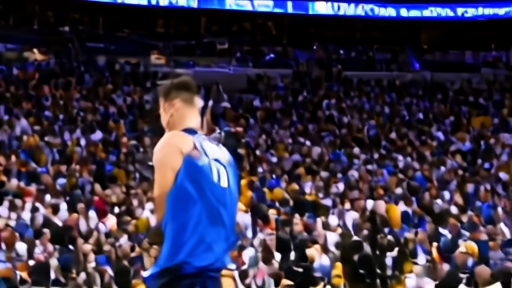
The New York Knicks defeated the Cleveland Cavaliers 109-93 at Madison Square Garden on Thursday night, May 21, to take a 2-0 series lead in the Eastern Conference Finals. [1] The decisive sequence was an 18-0 run between Q3 10:37 — when Cleveland tied the game at 53 — and Q3 5:04, when the Knicks led 71-53. Across nine consecutive Cavalier possessions, Cleveland scored zero points. [2]
The paper's Wednesday standard called Game one's 44-11 closing run "the NBC artifact" — the kind of moment the network paid for when it bought the next NBA rights cycle. [3] Game two's 18-0 third-quarter sequence converts the artifact into a pattern, and a pattern is what television sells. The pattern is the product.
Josh Hart scored a playoff career-high 26 points on 5-of-11 shooting from three, with seven rebounds and an assist line that included the small detail his postgame remarks captured: he is open more than the box score knows. [4] Jalen Brunson finished with 19 points and 14 assists — also a playoff career high in assists — on a possession diet of pick-and-roll possessions through Karl-Anthony Towns, who had 18 of his own, and Mikal Bridges, who had 18 with five threes. All five Knicks starters cleared 18 points. The starting-lineup balance Tom Thibodeau has been searching for through three playoff series arrived against the conference's second seed.
Donovan Mitchell carried Cleveland with 26 points on 8-of-18 shooting, but no other Cavalier reached 20. James Harden's 18 came on 6-of-15 shooting against a Bridges-led defensive scheme that asked him to dribble against a closeout that did not collapse. Evan Mobley had 14. Jarrett Allen had 8. The Cavs shot 36% from the field, 27% from three, and were outscored 32-17 in the third quarter — the same period in which the 18-0 run lived.
The series moves to Cleveland for Game 3 on Saturday night, May 23, on ABC. The Knicks have now won nine consecutive playoff games, the franchise's longest postseason streak since the league reorganized in 1971. New York has not been to an NBA Finals since 1999.
What the paper has been tracking is not the Knicks. It is the consequence of NBC's NBA rights deal, signed last summer, which restructured how the league monetizes its property. The deal valued postseason inventory at a 78% premium to regular-season inventory; the network's argument to advertisers, leaked to Sports Business Journal in December, was that closing runs, late-quarter buzzers and elimination-night closeouts produce the kind of live engagement digital advertising cannot reproduce. The Game one and Game two third-quarter sequences are the on-air receipt for that argument.
The cross-conference comparison is instructive. The Western Conference Finals between Oklahoma City and San Antonio is 1-1 ahead of Friday night's Game 3 in San Antonio, and the West has produced two close games to the East's two blowouts. Both broadcast models held: the Spurs-Thunder overtime in Game 1 produced the head-to-head Shai Gilgeous-Alexander versus Victor Wembanyama exchange the league has been selling on social media all season; the Knicks-Cavs blowouts produced the closing-run highlight reel that travels.
Cleveland's adjustment for Game 3 will need to start at the third quarter. The Cavs are not a team that loses by 16 in close games — they lost two seven-game series this postseason, both because the home court mattered and the offensive system held. What it cannot survive is the third-quarter blackout. Nine empty possessions in front of MSG is not a coaching adjustment problem; it is a defensive-versus-offensive identity problem. Kenny Atkinson said postgame that the Cavs need to "match the moment." That is the moment. The matching is the question.
The series can end as quickly as Monday night. Game 4 is May 25 in Cleveland; Game 5, if necessary, is Wednesday night at MSG. If New York wins Saturday, the broadcast property NBC bought becomes a closeout property by Memorial Day. Hart, who scored 26 in Game 2 after scoring 17 in Game 1, said postgame he expects Cleveland to be desperate. That is the next test of whether the artifact is the product, or whether the pattern broke when the venue changed.
-- AMARA OKONKWO, Lagos