Bangladesh's measles outbreak has crossed the line where a public-health failure becomes a national grief. Al Jazeera reported that more than 500 children had died, citing a health department tally that reached 512 after 13 more children died in the previous 24 hours. [1] Most cases, the outlet said, were among children between six months and five years old. [1]
The World Health Organization's disease outbreak notice tells a related but not identical story. WHO recorded 166 suspected measles-related deaths and 30 confirmed measles-related deaths in the data section available from the outbreak report, with children under five accounting for the majority of reported cases and unvaccinated children under two bearing much of the fatal burden. [2] The gap between national tally, suspected deaths and confirmed deaths is not a contradiction to wave away. It is the reporting problem inside the emergency.
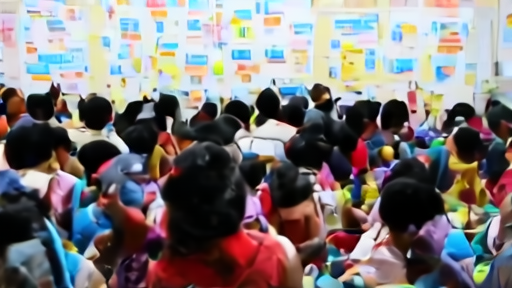
Al Jazeera's account gives the human scale. Hospitals in Dhaka were overwhelmed and set up dedicated wards while lacking sufficient intensive-care beds. [1] It quoted a pediatrician saying many children arrived already critically ill with respiratory distress and infections in the eyes, throat and lungs. [1] Measles is often reduced in public debate to a rash. In a malnourished or unvaccinated child, it can become pneumonia, encephalitis, blindness and death.
WHO's notice gives the system scale. It says measles remains one of the leading causes of death among young children globally, spreads through airborne or droplet transmission, and has no specific antiviral treatment. [2] It also states that vaccination with measles-containing vaccine is safe and effective, and that two doses through routine immunization are the foundation for population immunity. [2]
The most important sentence in WHO's response section is practical. Bangladesh approved a nationwide measles-rubella campaign targeting children aged 6 to 59 months, expanded to include 6-to-8-month infants, beginning in priority districts on April 5 and moving nationwide on April 20. [2] Al Jazeera reported that UNICEF said the campaign had reached 18 million children, while warning that the effect would take months to be felt. [1]
That delay is the tragedy. Vaccination campaigns can move fast by bureaucratic standards and still arrive late for the child already coughing in a ward. The outbreak is not only a story about whether vaccines work. It is a story about whether coverage was high enough before the virus arrived. WHO said the current outbreak occurred in the context of suboptimal population immunity and that many children were unvaccinated, had received only one dose, or were infected before reaching vaccine eligibility. [2]
X will make this story ideological because measles now travels with a preloaded argument. One side will say the toll proves vaccine refusal kills. Another will blame institutions, migration, poverty, international agencies or the chaos after Bangladesh's 2024 uprising. Al Jazeera reported UNICEF saying immunization gaps worsened during and after the student-led upheaval that toppled the government, leaving many children unprotected. [1] That political context matters. It does not change the biology.
The mainstream frame is more useful but still risks abstraction. Numbers such as 512 deaths, 18 million children reached and 79 percent of cases under five can become a wall of statistics. [1] [2] The paper's job is to keep the unit of account honest: a measles death is a child who passed through several broken gates before the final one. Routine vaccination missed. Surveillance lagged. Care arrived late. The ward lacked capacity. A campaign began, but immunity takes time.
The Bangladesh case also rebukes rich-country complacency. Measles elimination is not a permanent trophy. It is a maintenance schedule. WHO noted that Bangladesh had made substantial progress toward measles elimination before the outbreak, with improved reported coverage over earlier decades. [2] Progress can be real and still insufficient when trust, logistics and politics fray.
There is no mystery about the prevention tool. That is what makes the deaths harder to read. The virus exploited a gap everyone knows how to close in theory. Bangladesh is now trying to close it in practice, child by child, after the count has crossed 500.
The grim lesson is that immunization is infrastructure. It fails quietly before it fails visibly. The missed visit, the closed clinic, the delayed data report and the political disruption all look small until the ward fills. By the time a vaccination drive reaches millions, it is saving the next children, not all of the children already exposed.
-- PRIYA SHARMA, Delhi