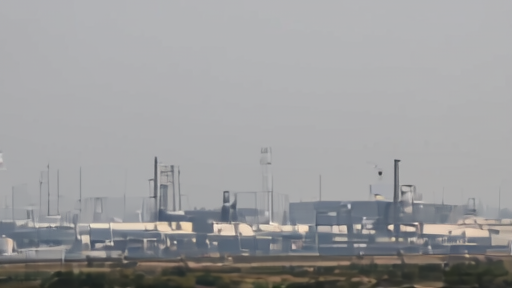
Saudi Aramco CEO Amin Nasser told analysts Monday that oil market normalization will not come before 2027, extending the timeline by at least a year from previous projections [1]. The statement signals that the structural changes to energy markets caused by the Hormuz transit fee and shipping disruption are now treated as semi-permanent by the world's largest oil exporter.
Nasser cited ongoing shipping reroutes, insurance cost inflation, and the Fujairah pipeline capacity constraints as factors that would persist beyond any diplomatic resolution [2]. The timeline implies the blockade's economic effects have become self-reinforcing: infrastructure built to bypass Hormuz creates its own cost structure that does not disappear when the original conflict ends.
X users immediately framed the statement as de facto acknowledgment that the blockade outlasts the conflict. "Aramco just said the quiet part — the infrastructure is the policy now," one widely shared post read [3].
Brent crude rose 3% on the announcement to $112 per barrel. The increase reflects the market pricing in a longer period of constrained supply, contradicting recent diplomatic signals that a Hormuz deal was imminent.
The statement is the first by a major oil producer explicitly decoupling market recovery from conflict resolution.
-- YOSEF STERN, Jerusalem