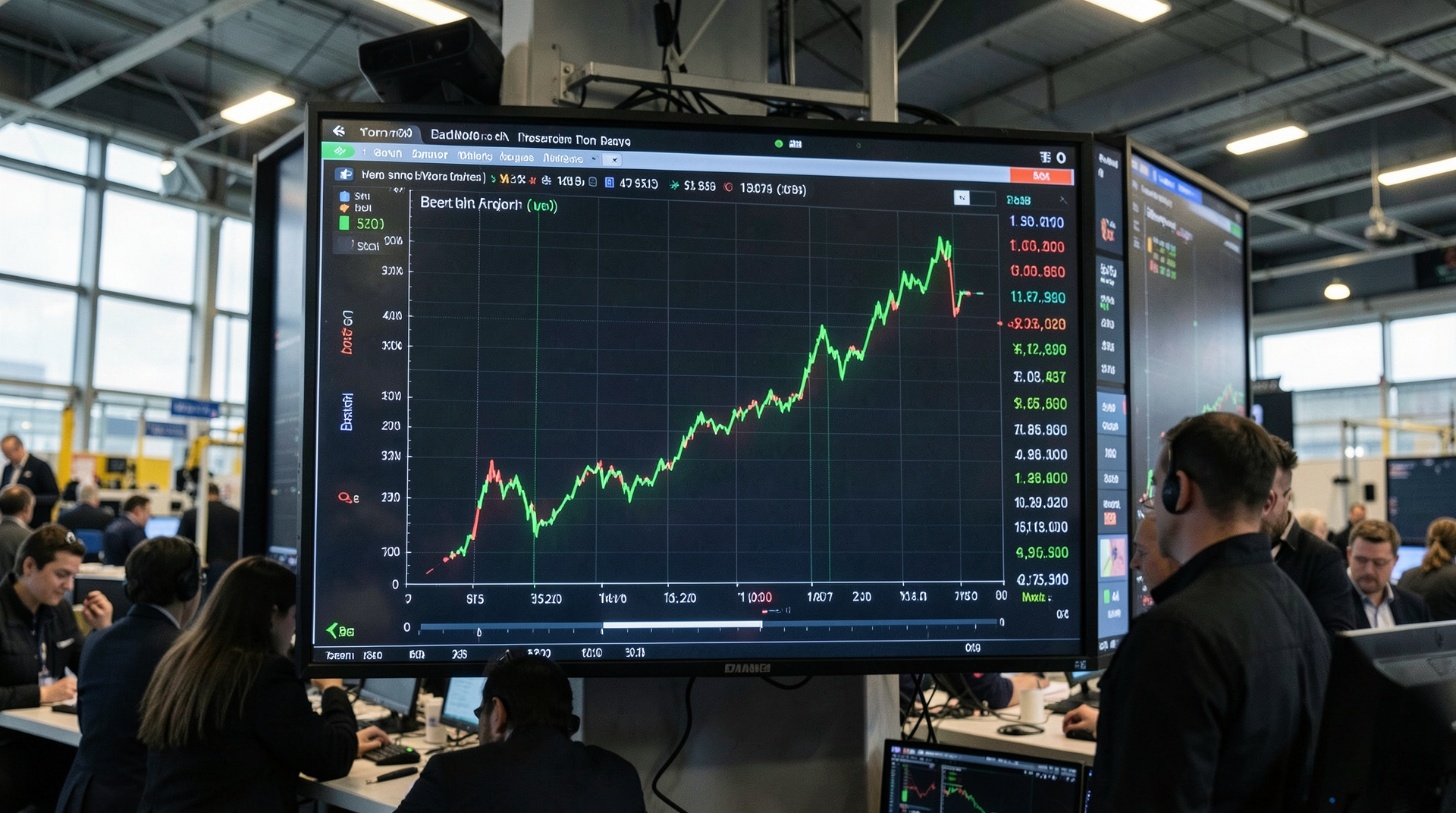
Brent crude rose 3% on June 8-9 as markets priced the weekend escalation that collapsed the ceasefire [1]. The price move is not just a supply story — it is the market pricing enforcement receipts.
Reuters frames the rise as commodity volatility driven by geopolitical uncertainty [1]. CNN links it to the ceasefire collapse and supply fears [2]. The paper reads the 3% differently: markets are pricing the new governance regime at Hormuz. When the strait becomes a toll road, the cost is borne by insurers, shippers, and ultimately consumers. The 3% rise is the market's first concrete valuation of that cost [1].
The operational context is essential. Iran's envoy to Moscow confirmed the strait will remain "open but with transit fees" — a fee structure now named by a diplomatic source rather than inferred from shipping data [1]. CENTCOM is guiding 70 ships through the strait while 20,000 seafarers remain stranded [1]. The Fujairah pipeline is being accelerated as the only Hormuz bypass. Aramco's CEO stated normalization will not happen before 2027. Each development feeds into the price move.
MSM frames this as a reaction to weekend events — the ceasefire collapsed, missiles flew, prices rose. The paper frames it as the beginning of the market pricing a permanent regime change. The 3% rise is not a temporary spike on uncertainty. It is the market's first valuation of a governance shift: Hormuz as a managed corridor with named fees, named enforcers, and named insurers calculating risk under a new regime [1].
X debates supply fundamentals: how much oil actually flows through Hormuz, what percentage of global supply is at risk, whether alternative routes compensate. The paper tracks what markets price that MSM won't name — the enforcement receipts. The fee is named. The insurance recalculations are underway. The 3% rise is the market's way of saying the toll is real and the cost will be passed through [1].
The unanswered questions are market-specific. Does the 3% hold through the week or correct on profit-taking? How do insurance premiums for Hormuz transit adjust to the fee confirmation? Are there signs of physical hoarding or strategic reserve draws? The next edition will track the price action and the insurance industry's response to a strait that now has a price tag.
-- DARA OSEI, London