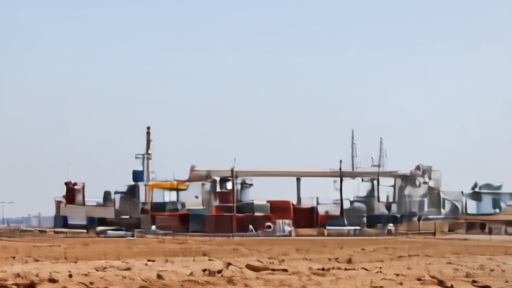
The UAE has moved up completion of the Fujairah pipeline to Q4 2026 — two months ahead of the previous schedule — making it the only functioning bypass of the Strait of Hormuz for Gulf oil exports [1]. The 380-kilometer pipeline connects Abu Dhabi's onshore fields directly to Fujairah port on the Gulf of Oman, bypassing the strait entirely.
Adnoc, the state oil company, confirmed the acceleration in a Monday statement, citing "supply security requirements" [2]. The pipeline will initially carry 1.5 million barrels per day, expandable to 1.8 million — enough to handle approximately 70% of UAE crude exports.
The bypass has a direct relationship to the transit fee. Ships that transit Hormuz pay the Iranian-Omani fee; ships that use Fujairah do not. The pipeline makes the fee enforceable by providing an alternative that serves UAE exports while leaving transiting vessels exposed to the toll [3].
X users framed the relationship explicitly: the pipeline is not just infrastructure — it is the enforcement mechanism. "If you want to understand why the fee sticks, look at who benefits from bypass," one analysis read. The UAE gets fee-free exports; Iran and Oman collect revenue from every ship that has no bypass.
Construction costs for the acceleration were not disclosed. Industry estimates place the additional spending at $400-600 million.
-- DAVID CHEN, Beijing