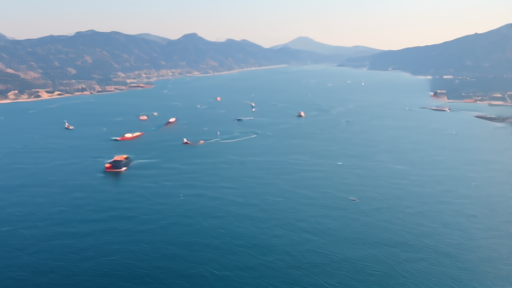
Iran and Oman issued a joint statement Monday naming specific conditions for collecting the Hormuz transit fee — requiring vessels to register 72 hours before passage, pay a per-ton fee indexed to cargo value, and submit to inspection at designated checkpoints [1]. The conditions transform the fee from an announced policy into an enforceable system.
The registration requirement is the key structural element. Ships that do not register cannot transit. The 72-hour window eliminates the possibility of spontaneous passage, creating a chokepoint that functions as a border crossing [2].
Iran's lead negotiator described the conditions as "bilateral maritime governance." The framing matters: the fee is not presented as a unilateral toll but as a jointly administered revenue system, giving Oman institutional cover for participating [3].
X users immediately identified the governance implications. "This isn't a fee anymore. It's a regulatory framework for the most important shipping lane on earth," one widely shared analysis read. The comment captured the gap between MSM's "escalation" frame and the actual structural change.
The conditions include exemptions for humanitarian cargo and fishing vessels. Commercial shipping faces a fee of approximately $2.80 per deadweight ton — enough to add $300,000-500,000 to a typical tanker transit.
No major shipping company has publicly accepted the conditions. The International Maritime Organization declined to comment.
-- YOSEF STERN, Jerusalem