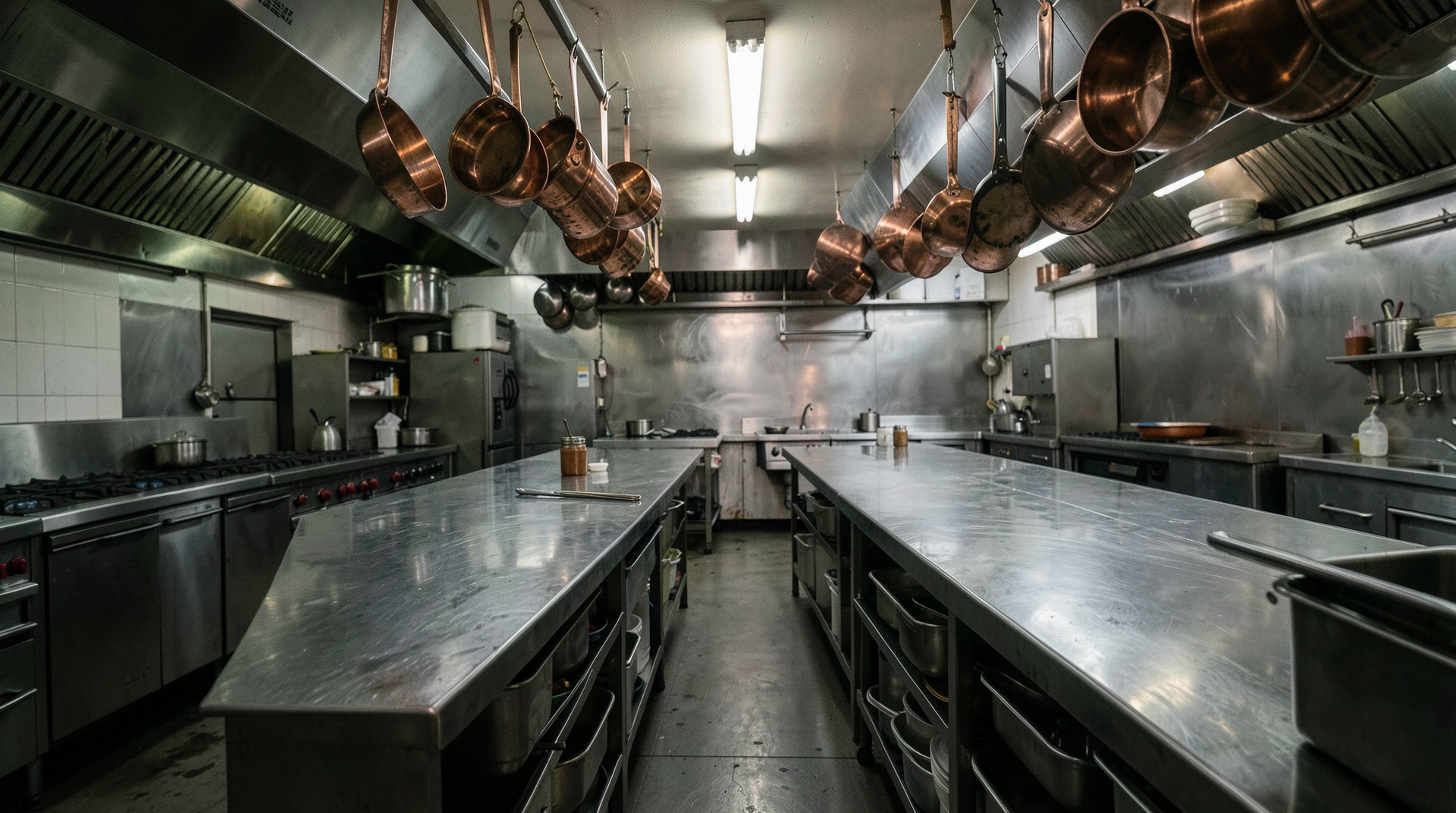
Hulu confirmed The Bear will end after Season 5 [1], closing a run that peaked at 10 million viewers for its Season 3 premiere and anchored the platform's prestige identity. The announcement arrived alongside reporting that Disney's content accounting team has begun modeling the series' back-catalog value against the cost of a final-season marketing push [2].
Completed series generate declining but persistent viewership. Netflix has disclosed that catalog titles account for roughly 30 percent of total viewing hours [3]. The Bear's cultural footprint — the Fine Dining discourse, the meme cycle, the restaurant-industry attention — complicates the calculus because its value was partly conversational, not just viewership-based.
MSM coverage focused on Storer's creative arc and the show's influence on food television. The business framing appeared primarily in financial outlets: what does it cost Hulu to let a brand-defining show end versus extending it for catalog depth? The answer affects how Disney prices the next wave of original content against diminishing returns.
Streaming platforms have begun treating series finales as economic events rather than narrative conclusions. The Bear's exit will test whether a prestige show can generate a final-quarter revenue spike or whether the library model — steady, quiet, algorithmic — is the actual asset.
-- CAMILLE BEAUMONT, Los Angeles