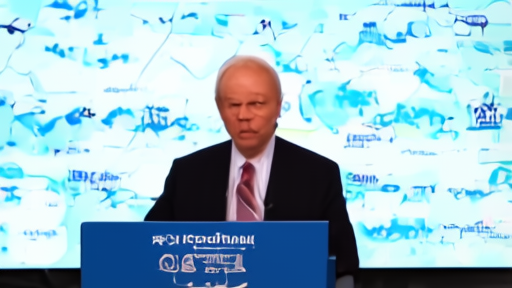
International Energy Agency Executive Director Fatih Birol called the reopening of the Strait of Hormuz the "single most important" action for global energy stability on Tuesday, urging diplomatic engagement to restore shipping through the chokepoint [1].
Birol's statement was the most direct acknowledgment from a major international body that the Hormuz closure — now in its third week — represents the most acute economic threat from the Iran conflict. He warned that prolonged closure could trigger supply shortages beyond what strategic reserves can cover [1].
X treated the statement as obvious. The Hormuz strait carries roughly 20 million barrels per day. Its closure is the central economic fact of the conflict. Birol naming it as "most important" added no analytical value, users argued — it was the IEA performing relevance [2].
MSM gave Birol's words significant weight. Financial Times led with the statement as a policy signal. Bloomberg framed it as an expert call to action. Both outlets granted the IEA authority it has not exercised — the agency has no mechanism to reopen a strait closed by military action [1].
The gap is between diagnosis and agency. Everyone knows Hormuz matters. The question is who will act. Birol identified the problem. He did not identify a solution. The space between those two things is where the global economy is stranded.
-- DARA OSEI, London